Sore Knees After Hiking: Why It Happens and How to Prevent It
Key Takeaways
Understanding why knees hurt after hiking and implementing proper prevention strategies can keep you on the trails pain-free.
- Downhill hiking creates 3-4x more knee pressure than uphill - use trekking poles and take smaller steps to reduce impact
- Strengthen supporting muscles before hitting trails - focus on quadriceps, hamstrings, and glutes to provide crucial knee stability
- Proper footwear and technique prevent most injuries - choose boots with good arch support and avoid locking knees during descents
- Address pain immediately with ice, elevation, and rest - early intervention prevents minor discomfort from becoming serious injury
- Hiking isn't inherently bad for knees when done correctly - regular activity actually helps maintain healthy knee cartilage
The key to pain-free hiking lies in preparation and proper technique. Strong muscles, quality gear, and smart trail strategies protect your knees while allowing you to enjoy outdoor adventures for years to come.
Introduction
Sore knees after hiking — it's a frustration that can turn your favorite outdoor adventure into an uncomfortable experience. You've probably felt that familiar ache or sharp twinge after a long day on the trails, wondering if you've pushed yourself too hard.
The science behind knee pain while hiking tells an interesting story. Research from Harvard Medical School shows that walking at an incline puts pressure on your knee joints at two to three times your body weight. This makes knee discomfort one of the most frequent issues hikers encounter, often stemming from overuse and not giving your body enough time to recover.
Whether your knees hurt after tackling steep downhill sections or even on relatively flat terrain, understanding what's happening in your body is the first step toward prevention and relief. Your knees work hard to support you through every step, and when they're not feeling their best, it affects your entire hiking experience.
We'll explore the reasons behind hiking-related knee discomfort, practical strategies to prevent it from happening, and various relief options — including natural approaches like CBD balm — so you can keep enjoying the trails without worrying about your knee health.
What Are the Common Causes of Knee Pain While Hiking?
45 percent of hiking injuries affect the knee, making it the most vulnerable joint on the trail. Understanding what puts your knees at risk can help you take steps to protect them. Several factors often work together to create knee discomfort, from how you prepare for your hikes to the gear you choose.
Overuse and Repetitive Stress
Repetitive bending, flexing, and weight-bearing movements place strain on your knee joints and the tissues around them. This continuous demand can lead to several specific conditions.
Patellofemoral pain syndrome develops when pain appears around your kneecap from overuse or poor alignment. Tendonitis follows a similar pattern — inflammation builds in the tendons from repetitive motion. You might also experience iliotibial band syndrome, which creates pain on the outer side of your knee, especially during downhill sections.
Meniscus tears can occur when you twist your knee during descents or while moving across uneven footing. Remember the 10% rule: limit weekly increases in mileage or elevation gain to just 10% to help prevent overuse injuries.
Impact from Uneven Terrain
Research shows that 75 percent of hiking injuries occur during descents. Your knees absorb several times your body weight when going downhill, creating enormous stress on the joint. This pressure can trigger bursitis, patellar tendonitis, and meniscus tears.
Rocky, uneven terrain makes the problem worse. When your feet and ankles struggle to maintain stability on tree roots or loose rocks, that extra demand transfers directly to your knee joint. Unstable ankles force your knees to work harder, increasing your risk of injury.
Weak Muscles Around the Knee
Muscle imbalances affect how your knee aligns and stays stable during hiking. When your quadriceps are weak, they can't control your downward movement effectively, leading to sharp pain at the front of your knee from patellar tendonitis.
Your gluteus muscles play an important role in stabilizing the knee and preventing excessive force on the joint. Tight or weak hamstrings create additional issues by pulling on your entire leg system and preventing proper movement. This muscular imbalance can pull on the knee and cause patellofemoral pain syndrome.
Strengthening exercises that target your hips, thighs, and calves can improve knee stability and reduce your pain risk.
Improper Footwear and Gear
Ill-fitting shoes change your natural gait and increase your injury risk. Boots without proper arch support and cushioning fail to absorb impact, forcing your knees to handle the brunt of ground strikes.
Look for signs that your boots may no longer provide adequate support — worn-out tread patterns are a clear indicator. Poor foot mechanics throw off your alignment and stress your knees. Shoes that cause overpronation make your knee and leg turn inward with each step, straining the joint.
Good arch support, snug heel cups, and trail-specific tread provide the foundation for protecting your knees.
Is Hiking Bad for Your Knees?
This question comes up frequently among outdoor enthusiasts, and the answer might surprise you. Let's explore what really happens to your knees during hiking and whether you should be concerned.
Understanding Knee Joint Pressure
Hiking does place significant mechanical stress on your knees, but understanding these forces helps you make informed decisions about your trail adventures. Compressive forces on your knee are three to four times greater when hiking downhill than uphill. This happens because walking downhill requires your quadriceps to work harder, contracting eccentrically to control your descent.
When your quadriceps muscles attempt to control your movement but lack sufficient strength to handle the repetitive force with every step, you'll likely develop sharp discomfort at the front of your knee. This is your body's way of telling you that something needs attention.
Can You Continue Hiking with Knee Pain?
Here's where it gets interesting — the answer isn't simply yes or no. You should definitely stop hiking if the resulting knee discomfort prevents you from doing your daily activities comfortably. However, if you're experiencing only mild discomfort during and after your hikes, you can probably continue hiking while incorporating physical therapy exercises into your routine.
Pacing becomes your best friend in these situations. You might need to choose hikes with fewer hills if your therapist recommends it, but you don't necessarily have to hang up your hiking boots completely. Small adjustments like taking shorter steps and slowing your pace can help reduce discomfort.
Long-Term Effects on Knee Health
Here's some encouraging news: evidence suggests that regular activity or exercise is unlikely to cause actual knee damage or accelerate knee osteoarthritis. Your knees actually benefit from regular movement. Knee cartilage requires regular loading or force placed on it to stay healthy. Think of it this way — motion is lotion for your joints, meaning activity helps keep you moving smoothly.
A 2018 study revealed something remarkable: knee and hip arthritis rates in marathon runners were actually half that of the general U.S. population. Research consistently shows that continuing movement is a key part of treatment for knee discomfort. The doing is the fixing — engaging in activities you love, even with some mild discomfort, helps your body build strength and resilience.
Remember, your knees are designed to move and adapt. The key is finding the right balance between activity and recovery.
What Are Prevention Strategies to Avoid Sore Knees?
Taking care of your knees before problems start is always easier than dealing with discomfort after it happens. The good news? There are practical steps you can take before and during your hike to keep your knees feeling their best.
Warming Up and Cooling Down Properly
Your muscles and joints need time to prepare for the demands of hiking. Spend at least 10 to 15 minutes warming up before hitting the trail. Think of this time as an investment in your comfort for the rest of the day.
Dynamic stretches work particularly well to get your body ready. Leg swings, knee-to-chest stretches, walking lunges, and high knees help increase blood flow and improve flexibility. Foam rolling your quadriceps, hamstrings, calves, and IT band releases muscle tension and gets everything moving smoothly.
Remember to cool down after your hike, too. A gentle walk and some stretches help increase blood flow to your knee area and can prevent stiffness from setting in.
Building Strength in Supporting Muscles
Strong leg muscles act like a support system for your knees, taking pressure off the joints themselves. Your quadriceps, hamstrings, calves, and glutes all play important roles in keeping your knees stable and protected.
Exercises like squats, lunges, step-ups, and glute bridges target these muscle groups effectively. Eccentric training — where you focus on the lowering portion of movements — teaches your muscles to absorb force, which is particularly helpful for hiking downhill.
Single-leg exercises and lateral movements help address muscle imbalances that can put extra stress on your knees. Functional movements that mimic hiking actions prepare your body for the specific demands you'll face on the trail.
Choosing the Right Hiking Boots
Your boots are the foundation of knee protection on the trail. Look for boots with adequate cushioning and arch support — your midsoles shouldn't be packed out, as worn cushioning can't absorb impact effectively.
Proper fit matters more than you might think. You should have enough room to wiggle your toes while keeping your heel locked securely in place. For rugged terrain, ankle support becomes even more important, as it helps reduce strain that would otherwise transfer to your knee joint.
When tread patterns show significant wear, it's time for new boots. Your knees will thank you for the upgrade.
Using Trekking Poles Correctly
Trekking poles can be game-changers for knee health. They take up to 20 percent of weight off your legs and absorb up to 25 percent of impact on your knees and hips.
Adjust your poles so your elbow forms a 90-degree angle on flat terrain. Use the straps correctly by inserting your hand from below — this allows you to transfer weight without gripping tightly, which reduces hand fatigue.
Plant poles with a syncopated rhythm on descents, positioning each pole about halfway through your stride before your opposite foot lands. This technique helps you maintain better control and reduces the impact on your knees.
Adjusting Your Hiking Technique
Small changes in how you move can make a big difference for your knees. Take smaller, controlled steps rather than long strides, especially on descents. Keep your knees slightly bent and maintain your center of gravity directly over your knees.
Place your foot flat on the ground instead of walking on the balls of your feet. This helps distribute weight evenly and reduces stress on your knee joint. When tackling steep slopes, zigzag down instead of descending straight — this reduces the gradient and joint strain.
Most importantly, avoid locking your knees while walking downhill. Your knees need to stay slightly bent to absorb impact effectively.
Managing Your Pack Weight
Your backpack weight directly affects the stress on your knees. Your loaded backpacking pack should not exceed 20 percent of your body weight, while day hiking packs should stay under 10 percent.
Heavy packs increase pressure on your knees, especially during descents when the impact is already higher. Choose a pack with padded shoulder straps, a waist belt, and chest strap to distribute weight evenly across your body.
Pack strategically and eliminate gear you don't actually need. Every pound you leave behind is one less pound your knees have to carry down the trail.
What Can You Do When Knee Pain Strikes?
When you're dealing with sore knees after a hike, taking action quickly can make all the difference. The right approach to recovery helps prevent minor discomfort from turning into a more serious issue.
Immediate Care After Your Hike
Your first priority should be getting that inflammation under control. Apply ice packs to your affected knee for 15-20 minutes at intervals throughout the day. Ice helps reduce swelling and numbs the area to provide relief, but remember to wrap the pack in cloth to protect your skin.
Elevate your leg above heart level when you're resting — this simple step helps decrease swelling and encourages better circulation. You might also find compression bandages or knee sleeves helpful for providing support and stabilizing the joint, which can reduce discomfort during the healing process. Most importantly, give your knees the rest they need and avoid activities that might worsen the inflammation.
Physical Therapy Exercises
Physical therapists bring specialized knowledge to help relieve muscular and joint discomfort. They can guide you through targeted exercises that strengthen your muscles and improve how your body moves. Gentle stretching plays a key role in maintaining flexibility and range of motion in your knee joint.
Focus on movements that target your quadriceps, hamstrings, and calves — these exercises help prevent stiffness and support the healing process.
Pain Relief Options Including CBD
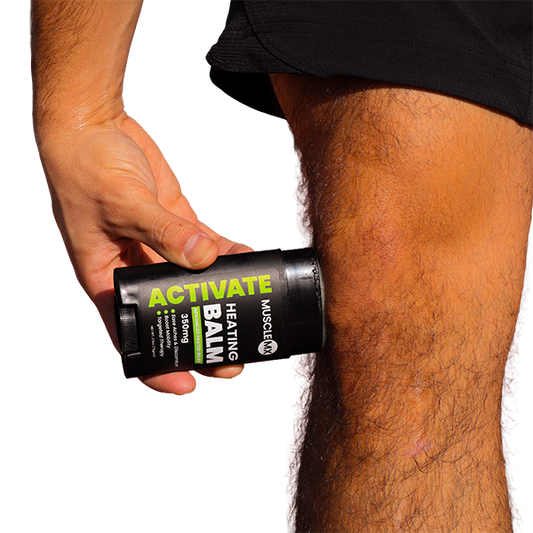
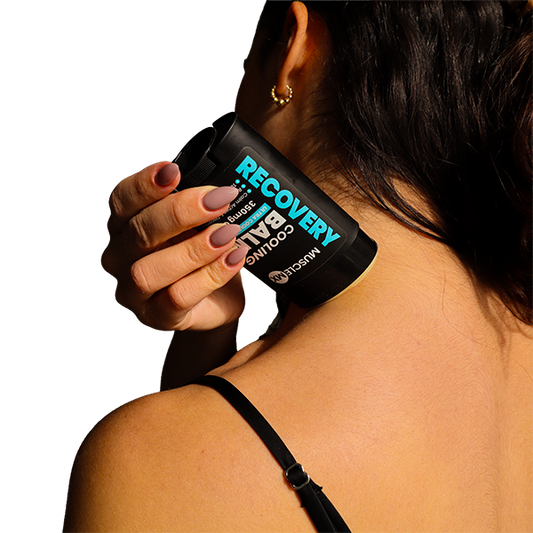
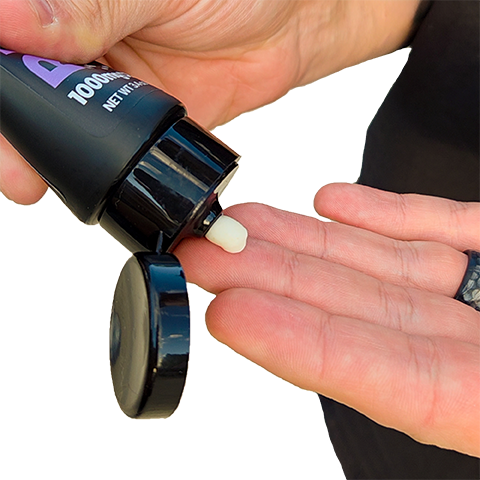
Nonsteroidal anti-inflammatory drugs like ibuprofen can help ease discomfort and reduce inflammation. However, if you're looking for a more natural approach, CBD balm offers relief through its anti-inflammatory properties that work to reduce discomfort and support recovery.
Broad Spectrum CBD products contain healing oils and menthol that can ease aches and swelling. What makes topical applications particularly appealing is how they provide targeted relief directly where you need it most — right at the source of discomfort.
When Should You See a Doctor?
Sometimes knee discomfort requires professional attention. See a doctor if you experience intense pain that limits your ability to walk or perform daily activities. Persistent swelling, redness, or warmth around your knee joint may signal inflammation or infection that needs medical evaluation.
Knee instability, audible popping sounds, or inability to fully straighten your leg definitely warrants a medical assessment. If your discomfort persists beyond a few days despite rest and over-the-counter treatments, it's time to consult a healthcare professional.
Final Thoughts
Knee discomfort doesn't have to keep you off the trails you love. Remember, your knees are remarkably resilient when you give them the right support and care they need.
The strategies we've discussed can make a real difference in your hiking experience — from understanding what causes that post-hike ache to taking proactive steps that keep your knees feeling their best. When discomfort does arise, you now have a toolkit of natural and effective approaches to help you bounce back.
Your hiking journey is uniquely yours, and we're here to support you every step of the way. Whether you're exploring gentle nature walks or challenging mountain trails, taking care of your knees means you can keep doing what you love for years to come.
We invite you to explore our full range of CBD wellness products at Muscle MX, designed to work with your body's natural systems to support comfort and recovery. Because when your knees feel good, every trail becomes an adventure worth taking.
FAQ's About Sore Knees After Hiking
Q: How can I prevent my knees from hurting during hikes?
A: Strengthen your gluteus muscles and quadriceps, as these muscle groups help stabilize the knee and prevent excessive force on the joint. Additionally, use trekking poles, wear proper footwear with good arch support, take smaller steps on descents, and warm up before hitting the trail.
Q: Is resting the best solution for knee pain after hiking?
A: No, resting too much can actually make knee pain worse. While immediate rest after a hike is important, continuing movement and activity is essential for knee health. Regular motion helps your body build strength and resilience, and knee cartilage requires regular loading to stay healthy.
Q: How does movement help with knee joint health?
A: Movement helps your body create synovium, a thick liquid that naturally lubricates your joints and allows them to move with more ease and less stress. The more you move, the more lubrication flows through your joints. Any type of physical activity helps maintain this natural lubrication process.
Q: Should I use ice or heat for sore knees after hiking?
A: Apply ice packs to your affected knee for 15-20 minutes at intervals throughout the day. Ice reduces swelling and numbs the area to relieve pain. Always wrap the ice pack in cloth to protect your skin, and combine icing with elevation and compression for best results.
Q: When should I see a doctor for hiking-related knee pain?
A: Seek medical attention if you experience intense pain that limits walking or daily activities, persistent swelling or redness around the knee joint, knee instability, audible popping sounds, or inability to fully straighten your leg. Also consult a healthcare professional if pain persists beyond a few days despite rest and over-the-counter treatments.
References
https://www.physicianpartnersofamerica.com/health-news/health-wellness/knee-pain-from-hiking-the-best-prevention-and-treatment-options/
https://centerforspineandortho.com/hiking-knee-pain-why-it-happens-how-to-avoid-it/
https://atlaspainspecialists.com/knee-pain-after-hiking-the-7-causes-and-fixes/
https://www.bauerfeind-sports.com/avoid-knee-pain-when-hiking/
https://centerforspineandortho.com/managing-knee-pain-while-hiking/
https://sportsmedrockies.com/how-to-avoid-knee-injuries-while-hiking-and-running-in-the-rockies/
https://www.jacorehab.com/blog/knee-pain-hiking-downhill/
https://www.hingehealth.com/resources/articles/tight-hamstring-knee-pain/
https://www.backpacker.com/skills/knee-pain-preventing-and-treating-it-on-the-trail/
https://noyeskneeinstitute.com/8-ways-the-wrong-shoes-can-affect-your-knees/
https://casacolinasurgerycenter.com/news/five-steps-to-protectyourkneeswhilehiking
https://www.health.harvard.edu/healthy-aging-and-longevity/do-these-activities-hurt-your-knees
https://www.hingehealth.com/resources/articles/hiking-knee-pain/
https://www.azortho.com/trail-ready-knees-orthopedic-tips-for-hikers-to-prevent-joint-strain
https://www.backpacker.com/skills/backpacking-fitness/how-to-strengthen-knees-for-hiking/