Pickleball Recovery: What Pro Players Do After Every Game
Key Takeaways
Pro pickleball players treat recovery as essential training, using specific strategies that recreational players can adopt to prevent injuries and maintain peak performance.
- Immediate post-game routine is critical: Cool down with 5-10 minutes of light movement, hydrate with 150% of fluid lost, and stretch within 30-60 minutes for optimal recovery.
- Recovery tools accelerate healing: Massage guns, cold therapy (50-59°F for 11-15 minutes), and compression gear significantly reduce muscle soreness and inflammation.
- Sleep drives performance and injury prevention: Athletes sleeping less than 6 hours face 1.7x higher injury risk; target 7-9 hours nightly for tissue repair and muscle regeneration.
- Strategic nutrition fuels recovery: Consume 20-30g protein within 60 minutes post-match and maintain 1.6-2.0g protein per kg body weight daily for muscle repair.
- Active recovery beats complete rest: Light activities like walking or gentle stretching between matches increase blood flow and prevent stiffness better than sitting idle.
The first 30-60 minutes after play represent your most critical recovery window. What you do during this period determines how quickly you bounce back and how ready you'll be for your next session on the court.

Introduction
Watch any professional pickleball tournament, and you'll notice something interesting. While recreational players collapse into chairs after intense matches, pros are already moving through deliberate recovery routines. This difference isn't just about fitness levels — it's about understanding that recovery is what allows your body to repair and strengthen itself after physical demands.
The gap between competitive and casual players often comes down to what happens after the game ends. Without proper recovery, you're setting yourself up for overuse injuries, declining performance, and eventual burnout. Skip the cool-down, ignore proper hydration, and you'll find yourself dealing with persistent soreness and a higher risk of pickleball-related injuries. The good news? The right recovery tools and techniques can make a significant difference in how quickly your body bounces back.
Let's explore the immediate post-game routines that pros swear by, the recovery tools they depend on — from cold therapy to CBD balm — and what top players reveal about their daily recovery strategies between tournaments. Whether you're playing recreationally or competitively, these insights can help you stay on the court longer and perform better.
Why Pro Pickleball Players Prioritize Recovery
The physical demands of competitive play
Pickleball might look deceptively simple, but your body tells a different story. Every point demands constant direction changes in tight spaces, explosive starts and stops, and continuous rotation through your hips and torso. Your lower body powers those quick lateral movements and rapid direction changes, while your shoulders, elbows, and wrists absorb the repetitive strain of paddle swings.
The numbers reveal just how intense this sport really is. Your average heart rate sits between 120-140 bpm during play, but competitive rallies can spike that number to 160-180 bpm. What makes pickleball particularly demanding is how your body constantly switches gears — explosive anaerobic bursts followed by aerobic recovery work. Those short, high-intensity rallies lasting 5-10 seconds tap into your ATP-PCr energy system, while your aerobic system handles the recovery between points and keeps you going through long matches or tournament days.
Impact of recovery on performance and career longevity
Here's what happens when you prioritize active recovery: your muscles repair faster, soreness decreases, and overall mobility improves. After intense play, lactic acid and metabolic waste build up in your muscles, creating that familiar stiffness and soreness. Low-intensity movements boost blood circulation, helping flush out these toxins while delivering fresh oxygen and nutrients to tired muscles.
Sleep becomes your secret weapon for injury prevention. Athletes sleeping less than 6 hours face a 1.7x higher injury risk. During sleep, your body releases growth hormones that repair tissue and regenerate muscle. Remember, adequate protein intake can boost your strength and endurance gains by 20%.
Active recovery isn't just about feeling better tomorrow — it's about sustainable performance over years. Playing consistently without proper recovery is a recipe for overuse injuries and burnout. Recovery keeps you fresh and mobile, allowing you to maintain peak performance throughout your playing career.
Common injuries pros prevent through recovery
Professional players understand that recovery strategies can help them avoid shoulder impingement, tennis elbow, knee pain, and lower back strain. Ankle sprains, rotator cuff strains, and Achilles tendonitis frequently sideline players who skip proper cool-downs.
Understanding the importance of stretching and mobility work is key to maintaining joint health and muscle elasticity, which directly reduces your risk of strains, sprains, or tendonitis. Tight muscles become vulnerable during sudden court movements. Regular stretching improves flexibility, creating smoother and more efficient movement patterns that protect your joints from chronic wear over time.
Immediate Post-Game Recovery Routines
Ever wonder why you feel great immediately after a match but wake up the next morning feeling like you've been hit by a truck? The first 30 to 60 minutes after your match represent your most critical recovery window. What you do during this period directly impacts how quickly your body bounces back and how ready you'll feel for your next session.
Cool down and active recovery
Here's a mistake almost every recreational player makes: collapsing into the nearest chair the moment the final point ends. Resist that urge. Your body needs five to ten minutes of gentle movement to transition from high-intensity play back to its resting state. Walk slowly around the court, hit a few easy dinks, or simply pace the sidelines.
This gradual cool-down allows your cardiovascular system to downshift smoothly while preventing blood from pooling in your legs — which is what causes that stiff, lightheaded feeling. Think of it as giving your body a chance to catch up with what just happened.
Hydration and refueling strategies
Your body loses more fluid during pickleball than you might realize. Within 30 minutes of finishing your game, aim for at least 8 ounces of water or an electrolyte beverage. For optimal rehydration, you'll want to replenish about 150% of the fluid lost through sweating. That means consuming 16-24 ounces within the first 30 minutes, then continuing to hydrate over the next 6 hours.
Food matters just as much as fluids. Your muscles are primed for repair during this window, so give them what they need. Target 20-40 grams of protein to support muscle recovery and 0.5-0.7 grams of carbohydrates per pound of body weight to replenish energy stores. Greek yogurt with honey, apple slices with peanut butter, or grilled chicken with quinoa all work well.
Stretching and mobility work
Once your heart rate returns to a more normal rhythm, it's time for static stretching. Hold each stretch for 15-30 seconds — no bouncing — focusing on the areas that work hardest during play: quadriceps, hamstrings, hip flexors, shoulders, and chest.
Remember, your muscles have been contracting repeatedly for the past hour or more. Foam rolling for 30-60 seconds per muscle group helps target those tight spots in your calves, quads, glutes, and upper back, significantly reducing the soreness you'll feel over the next day or two.
Pickleball elbow recovery techniques
If your elbow is feeling tender after play, don't ignore it. Apply ice for 15-20 minutes to reduce inflammation and numb any discomfort. Gentle massage of your forearm muscles, combined with light stretches, can improve blood flow to the area. A counterforce strap worn on your upper forearm during activities can also help by taking pressure off the affected tendons.
Recovery Tools and Methods Pro Players Use
You'll notice serious players carry more than just their paddle to tournaments. Pro players understand that the right recovery equipment can mean the difference between competing fresh in back-to-back matches and struggling with accumulated fatigue.
Massage guns and percussive therapy
Massage guns deliver 2,000 to 3,000 strikes per minute to your muscles. These handheld devices work by improving acute muscle strength, explosive strength, and flexibility while reducing musculoskeletal pain. The percussive action increases blood flow and activates your nervous system to help muscles recover more effectively. Keep your sessions focused — about 2 minutes per muscle group prevents overstimulation.
Compression boots and garments
Compression boots use pneumatic pressure between 60-100 mmHg to enhance circulation and lymphatic drainage. After those intense lateral movements that define pickleball, a 20-30 minute session can significantly reduce leg fatigue. Compression garments work differently, reducing muscle oscillation, which studies show as a leading cause of muscle fatigue.
Cold therapy and ice baths
Cold water immersion at 50-59°F for 11-15 minutes reduces post-exercise inflammation and muscle soreness. Research demonstrates that cold therapy significantly reduces delayed onset muscle soreness at 24, 48, 72, and 96 hours post-exercise compared to passive rest. The process works through vasoconstriction — blood flow gets limited temporarily, then rushes back when you warm up, delivering oxygen and nutrients that aid muscle repair.
Heat therapy: saunas and steam rooms
Infrared saunas operate at 120-140°F, while traditional saunas reach 150-190°F. Post-exercise infrared sauna sessions improve recovery of explosive strength and decrease muscle soreness one day after resistance exercise. Steam rooms at 110-120°F increase blood circulation, delivering oxygen and nutrients to tired muscles while removing metabolic waste. Sessions of 10-20 minutes provide measurable recovery benefits.
Foam rolling and soft tissue work
Sometimes the simplest tools prove most effective. Tennis balls, lacrosse balls, or PVC pipes provide targeted pressure for specific areas like shoulders, hips, and feet. Roll each area for 30-60 seconds, holding pressure on particularly tight spots for up to 2 minutes.
CBD balm and topical treatments
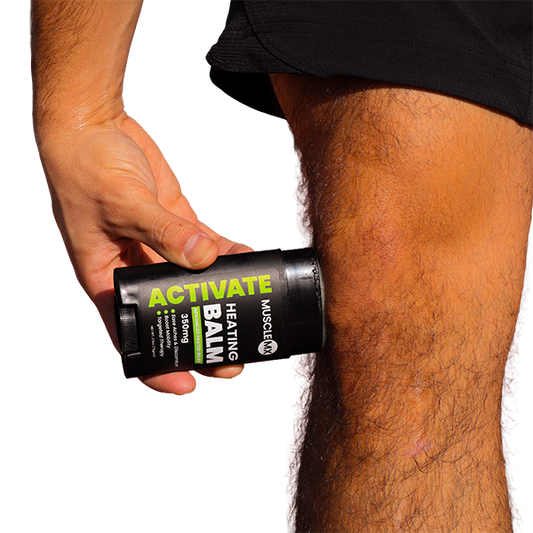
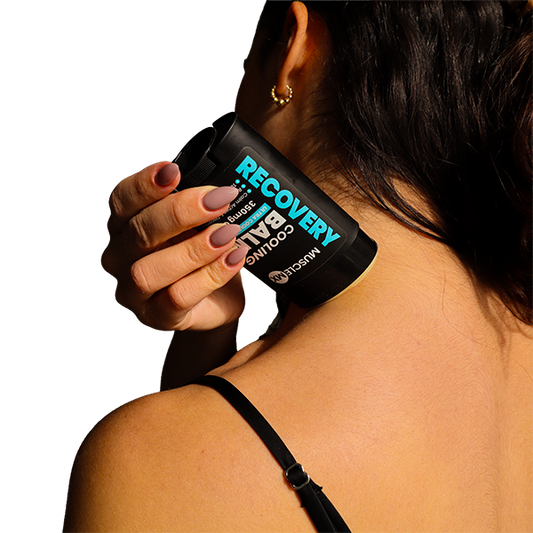
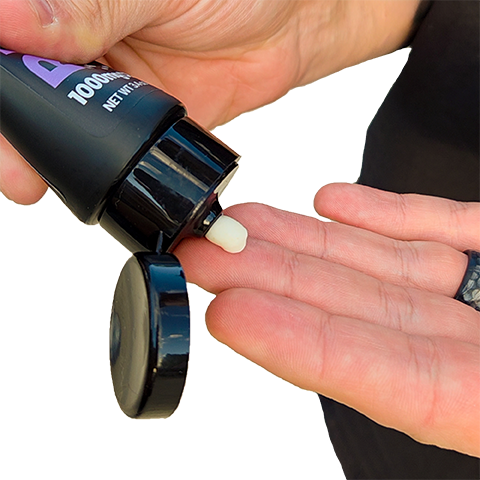
CBD creams reduce nerve pain signals and provide localized relief without entering your bloodstream. Topical analgesics like arnica reduce muscle soreness intensity in the 72 hours after activity. Apply CBD balm directly to sore areas up to 4 times daily for post pickleball recovery. These topical treatments offer a natural approach to managing discomfort right where you need it most.
What Top Pro Players Say About Their Recovery
Pro players don't just talk about recovery — they live it. Their insights reveal the specific protocols that separate weekend warriors from athletes who can compete match after match, tournament after tournament.
Daily recovery routines between tournaments
Pro player Connor Garnett identifies three pillars of athletic longevity: off-court fitness training, proper recovery after matches, and adequate sleep. His approach between tournaments might surprise you. Complete rest isn't the answer. Instead, light physical activities like walking, swimming, or gentle stretching work better for maintaining blood flow and reducing muscle stiffness. This active approach helps your muscles repair while avoiding that "concrete legs" feeling that comes from sitting idle for too long.
Remember, your body was designed to move. Even on rest days, gentle movement supports muscle repair and keeps you feeling loose and ready.
Sleep and rest day strategies
Sleep emerges as your most powerful recovery tool, and Garnett treats it with the same seriousness as his on-court training. He targets 7-9 hours nightly, emphasizing that consistency matters as much as duration. When his wearable sleep-tracking device shows his recovery is lacking, he takes preventive steps rather than waiting for problems to surface. Poor sleep affects everything — your hand-eye reaction time slows, focus and decision-making suffer, endurance drops, and injury risk climbs. When sleep falls short, Garnett compensates by adding extra time to his warm-up routine to combat the increased injury risk.
Nutrition and supplement protocols
What you eat after matches can make or break your recovery. Top players focus on consuming 20-30 grams of high-quality protein within 30-60 minutes post-match. Daily protein targets sit at 1.6-2.0g per kg of body weight. Whey protein ranks as the most popular recovery supplement among elite athletes for good reason — it's easily absorbed and contains all essential amino acids. Many pros also include BCAAs (5-10g before or during matches), creatine (3-5g daily), and L-glutamine (5g post-match) in their supplement routines.
Pre-match preparation for better recovery
The smartest players think about recovery before they even step on the court. Strategic pre-match preparation sets the foundation for faster post-match recovery. Consuming carbohydrates before matches provides glycogen stores that prevent excessive muscle breakdown during intense play. When your muscles have adequate fuel, they can focus on performance rather than breaking down protein for energy.
Understanding these professional strategies can help you develop your own recovery approach. Your body deserves the same attention and care that pros give theirs, regardless of your skill level.
Final Thoughts
Recovery isn't just what separates weekend warriors from tournament champions — it's what keeps you playing the sport you love for years to come. The strategies we've explored aren't exclusive to professional players. They work for anyone who wants to feel better after matches and show up stronger for the next one.
Remember, you don't need to adopt every technique at once. Start with the fundamentals: those crucial first 30-60 minutes after play when your body is most receptive to recovery support. Cool down with light movement, hydrate thoughtfully, and give your muscles the stretching they need. These simple steps can make a noticeable difference in how you feel the next day.
As you become more consistent with the basics, consider adding tools that resonate with your routine. Maybe it's a massage gun for those tight shoulders, cold therapy for persistent soreness, or CBD balm for targeted joint support. Your recovery plan should feel sustainable, not overwhelming.
What you do off the court matters just as much as your performance on it. Sleep, nutrition, and active rest days all contribute to your ability to enjoy pickleball without the nagging aches that sideline so many players. If you're experiencing persistent discomfort, don't ignore it — seek guidance from a healthcare professional who understands sports-related concerns.
Your wellness journey is uniquely yours, and we're here to support you every step of the way. Whether you're playing twice a week or training for tournaments, prioritizing recovery today means more years of enjoying this incredible sport tomorrow.
FAQ's About Pickleball Recovery
Q: What should I do immediately after playing pickleball to recover properly?
A: Start with 5-10 minutes of light movement like walking or easy dinking to gradually lower your heart rate. Then hydrate with water or electrolyte drinks, aiming for at least 8 ounces within 30 minutes. Follow up with static stretching, holding each stretch for 15-30 seconds, and consider foam rolling tight muscle groups for 30-60 seconds each.
Q: How does sleep affect pickleball performance and recovery?
A: Sleep is crucial for recovery and injury prevention. Athletes who sleep less than 6 hours face a 1.7 times higher injury risk. During sleep, your body releases growth hormones that repair tissue and regenerate muscle. Aim for 7-9 hours of consistent sleep nightly to maintain optimal performance, focus, and hand-eye coordination on the court.
Q: What recovery tools do professional pickleball players use most often?
A: Pros commonly use massage guns for percussive therapy (2 minutes per muscle group), compression boots for 20-30 minutes to enhance circulation, cold water immersion at 50-59°F for 11-15 minutes to reduce inflammation, and infrared saunas at 120-140°F for muscle recovery. Many also incorporate foam rolling and CBD balm for targeted relief.
Q: What nutrition strategies help with pickleball recovery?
A: Consume 20-30 grams of protein within 30-60 minutes after playing to support muscle repair. Daily protein intake should be 1.6-2.0 grams per kilogram of body weight. Pair protein with carbohydrates (0.5-0.7 grams per pound of body weight) to replenish glycogen stores. Stay hydrated by replacing 150% of fluid lost through sweating.
Q: How can I prevent common pickleball injuries through recovery practices?
A: Incorporate regular stretching and mobility work to maintain joint health and muscle elasticity, which reduces the risk of strains, sprains, and tendonitis. Never play when exhausted or not feeling 100%. Take breaks between games, limit consecutive matches to four or fewer, and include strength training 2-3 times weekly to build resilience and prevent overuse injuries.
References
https://www.thedinkpickleball.com/recover-like-a-pro-so-you-can-play-pickleball-for-life/
https://uniterehabperform.com/recover-like-a-pro-pickleball-recovery-over-40/
https://originfitnj.com/the-demands-of-pickleball-and-how-training-helps-you-play-your-best/
https://precisionperformancesportsmedicine.com/paddle-on-post-game-recovery-tips-for-pickleball-athletes/
https://www.synergystrength.ca/blog/2025/8/31/the-sport-demands-of-pickleball-why-training-off-the-court-matters
https://betterpickleball.com/active-recovery-pickleball-performance/
https://www.theforgepb.ca/post/peak-pickleball-performance-a-testable-guide-to-fitness-standards-athletic-training
https://picklebalm.com/blogs/articles/recovery-techniques-for-pickleball-players?srsltid=AfmBOoriljmHKvuvR4SmcVoNeO-URuV_J-1nzSmwYvBoL-7H969hkwiv
https://www.orthocarolina.com/blog/playing-safe-preventing-and-recovering-from-orthopedic-ankle-and-foot-injuries-in-pickleball
https://pickleballtournaments.com/blog/post-pickleball-cooldown-routines-science-proven-methods
https://www.playpickle.sg/blog/end-your-game-right-the-essential-pickleball-cool-down-routine
https://wellbeingnutrition.com/blogs/performance-sports/8-post-workout-hydration-secrets-every-athlete-needs
https://www.garrettmclaughlin.com/blog/pickleball-cool-down-stretches
https://www.sharp.com/health-news/dont-let-pickleball-elbow-keep-you-off-the-court