Topical Pain Relief

Discover the soothing power of nature with our Topical Pain Relief collection. Each product is carefully crafted with natural ingredients designed to target discomfort and reduce swelling, helping you move with ease and confidence. Feel the relief wash over sore muscles and joints, and reclaim the comfort and freedom you deserve. Whether it’s everyday aches, post-activity stiffness, or nagging discomfort, our balms and lotions bring fast, targeted relief that works as hard as you do—so you can get back to the moments that matter most.

Topical Pain Relief
  • 500k+

    Happy Customers

  • 5000+

    5 Stars Rating

  • Awards

    Voted best Topicals

  • 10 Years

    On the Market

  • 3000+

    Stores Nationwide

Free Shipping

For orders over $75

Money Guarantee

30 day money back

Online Support

24 hours per day

Flexible Payment

Options Available

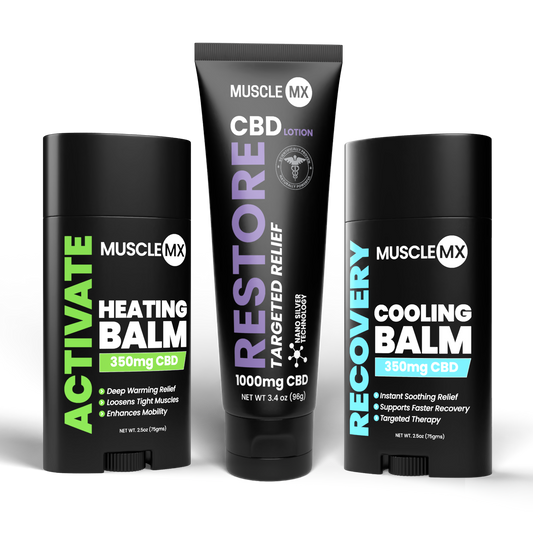
MUSCLE MX CBD BALMS

CBD Balm for Pain

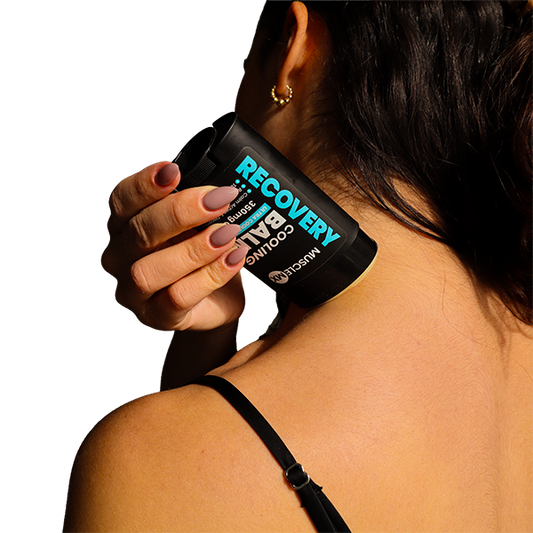
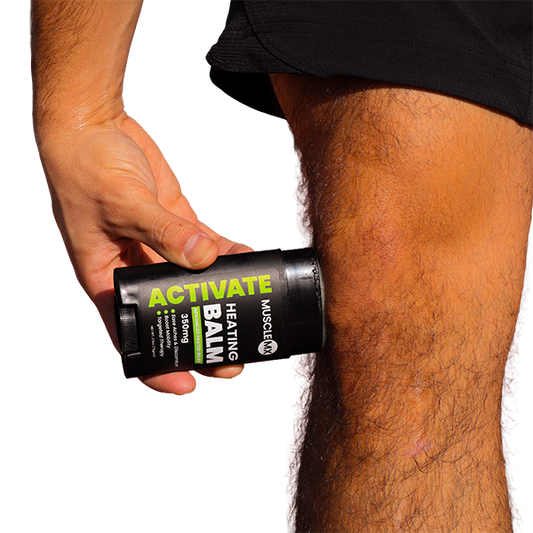
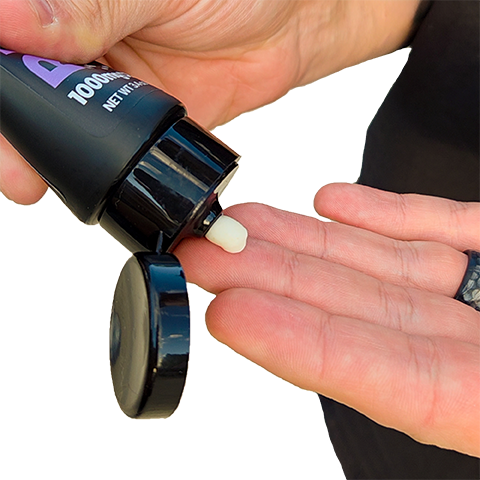
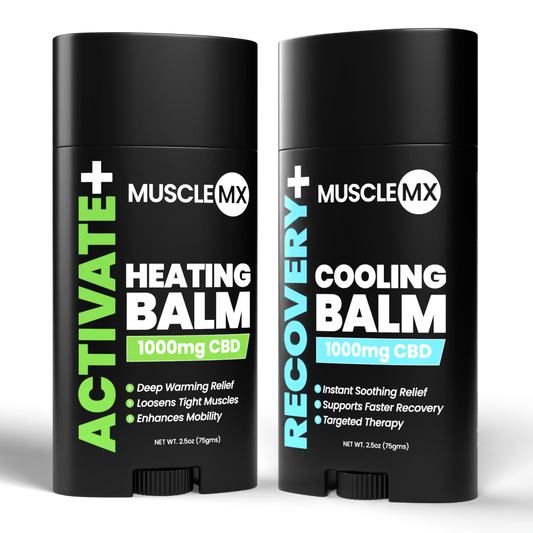
Muscle MX CBD Balms offer a unique and effective solution for those seeking natural pain relief and anti-inflammatory benefits. These balms are expertly formulated with high-quality, natural ingredients, ensuring a safe and beneficial experience for users. The standout feature of Muscle MX CBD Balms is their innovative heating and cooling properties, making them the best CBD balm choice for both pre- and post-activity use. The heating effect helps to prepare muscles for physical exertion, while the cooling sensation aids in recovery, providing comprehensive support for muscle health. As a top choice for CBD pain relief, these balms not only alleviate discomfort but also reduce inflammation, making them an essential addition to any wellness routine.


Why Topical Pain Relief Might Be Better Than Pills for Chronic Pain

Key Takeaways

Topical pain relief offers targeted treatment with significantly fewer risks than oral medications, making it an excellent choice for chronic pain management.

  • Topical pain relievers deliver medication directly to the pain site, achieving only 2-8% of oral medication's blood concentration while maintaining effectiveness
  • These treatments cause fewer side effects like stomach upset, ulcers, and drug interactions compared to oral NSAIDs, making them safer for long-term use
  • Topical options work best for surface-level conditions like arthritis, sprains, and nerve pain, but are less effective for deep joint or spine pain
  • Older adults and people with multiple health conditions benefit most from topical treatments due to reduced pill burden and systemic complications
  • Never combine topical and oral NSAIDs together, but consult your healthcare provider about safe combination therapies with other pain medications

The key advantage lies in getting effective pain relief exactly where you need it, without exposing your entire body to medication-related risks that come with oral alternatives.

Chronic pain has a way of making even simple daily tasks feel overwhelming. Whether it's the stiffness in your hands that makes opening a jar difficult or the persistent ache in your knee that changes how you move around your home, ongoing discomfort affects so much more than just the area that hurts.

When you're dealing with chronic pain, you've probably tried oral medications — pills that travel through your entire system to eventually reach the painful area. But there's another approach that might work better for your situation: topical pain relief that works directly where you need it most.

Pain relieving creams and gels take a different path than oral medications, and this difference can make them a smarter choice for long-term pain management. Unlike pills that can cause stomach upset and bleeding that often come with oral NSAIDs, topical options focus their effects right at the source of your discomfort.

Understanding how these two approaches work differently is important for making informed decisions about your pain management. Let's explore how topical pain relief works compared to pills, what benefits you might experience with topical options, and when making the switch from oral medications makes the most sense for your specific needs.

How Topical Pain Relief Works Differently Than Pills

Have you ever wondered why applying pain relief directly to your skin might work better than swallowing a pill? When you choose a topical pain reliever, you're giving your body a completely different approach to managing discomfort — one that can offer several distinct advantages for chronic pain situations.

Localized Treatment at the Pain Site

Think about how topical pain relief cream actually works. Once you apply it to your skin, the active ingredients travel through your skin and into the tissues right beneath the surface. The medication penetrates the stratum corneum in your epidermis to reach unmyelinated A δ and C-fibers, which transmit pain sensations.

This direct interaction with nociceptors in the outer layers of skin at the injury site allows the medication to interrupt pain signals right where they start. Rather than sending a pill on a long journey through your digestive system and bloodstream to eventually reach the painful area, topical products begin working immediately at the source of your discomfort.

Reduced Systemic Absorption

Here's where topical pain medications really stand apart from oral options. Topical NSAID formulations produce only 2% to 8% of the peak serum concentration of oral NSAIDs. This significant difference happens because topical medications avoid absorption in your GI tract and have limited first-pass metabolism.

Remember, when you swallow a pill, that medication must pass through your digestive system and liver before reaching your bloodstream. This means a large quantity of the drug ends up circulating throughout your entire body. Topical applications take a different route entirely, achieving effective concentrations in targeted tissues while maintaining significantly lower systemic exposure.

Lower Risk of Drug Interactions

The limited systemic distribution of topical pain relievers creates an important advantage — fewer drug interaction concerns. Since minimal amounts of the medication enter your bloodstream, there's less opportunity for the active ingredients to interact with other medications you might be taking.

This makes topical options particularly valuable if you're managing multiple health conditions that require various prescriptions. The reduced systemic absorption also means lower risk of adverse GI effects and renal failure compared to systemic administration. You get targeted pain relief without the complexity of managing potential interactions with your existing medication regimen.

What Are the Key Benefits of Topical Pain Relievers Over Oral Medications?

The advantages of topical pain relievers go well beyond just how they're applied. Research from the Cochrane Collaboration found that applying NSAIDs directly to the skin brings weeks of pain relief without the risks associated with oral NSAIDs. Dr. Eric Berkson, director of the Sports Performance Center at Harvard-affiliated Massachusetts General Hospital, notes that topical NSAIDs are an excellent choice for people at high risk of complications from oral medications.

Fewer Side Effects and Complications

Here's something that might surprise you: topical NSAID formulations achieve therapeutic effects while producing only 2% to 8% of the peak serum concentration seen with oral NSAIDs. This dramatically reduced systemic exposure means fewer adverse events affecting your body's organs.

For hand and knee osteoarthritis specifically, topical diclofenac and ketoprofen reduce pain by at least half over 6 to 12 weeks in around 1 in 5 to 1 in 10 people. Serious side effects were uncommon in clinical studies. Compare this to oral NSAIDs, which increase your risk of gastrointestinal bleeding, ulcers, kidney stress, and heart issues.

Topical applications can cause skin irritation, redness, or burning at the application site in up to 40% of users. However, these local reactions are mild compared to the systemic complications of oral drugs.

Better for Long-Term Chronic Pain Management

Chronic pain often requires ongoing treatment, and this is where topical options really shine. Studies comparing oral versus topical diclofenac sodium revealed comparable efficacy, with minimal side effects when using the topical route. Topical NSAIDs are recommended in guidelines for osteoarthritis and neuropathic pain.

Their superior safety profile makes them viable for extended use, whereas oral NSAIDs carry risks that often outweigh benefits for longer durations. When you're managing pain day after day, this difference matters.

Safer for Older Adults and People with Health Conditions

If you're taking multiple medications or have health concerns that make oral pain relievers risky, topical medications offer a safer path. They're particularly important for older adults who often take multiple medications.

Topical options decrease the likelihood of side effects, drug-drug interactions, and overall pill burden. Topical NSAIDs are preferred in patients aged 75 years and older due to their similar efficacy to oral medications and reduced risk of systemic adverse effects. When applied topically, diclofenac serum concentrations are 158 times less than with oral administration.

No Stomach Upset or Digestive Issues

Have you ever taken a pain reliever only to experience stomach discomfort or nausea? Topical pain relievers bypass your digestive system altogether. You don't have to worry about stomach ulcers, gastrointestinal issues, or the potential side effects that come with oral pain relievers.

This makes topical options perfect for people with digestive issues or those unable to take oral medications. Your stomach can stay comfortable while your pain gets the attention it needs.

What Types of Topical Pain Relief Are Available?

Finding the right topical pain reliever often comes down to matching the specific type of product to your pain condition. Different formulations work through distinct mechanisms, and understanding these differences can help you make better choices for your situation.

NSAIDs: Diclofenac and Ketoprofen Gels

Diclofenac stands out as the most widely available topical NSAID, found in patches, gels, and creams. For adults, 4 grams of 1% topical cream can be applied up to four times daily. These formulations prove effective for muscle sprains, strains, and arthritis symptoms.

Ketoprofen offers another NSAID choice, with the 2.5% gel producing serum levels less than 1% of what you'd get from oral dosing. Remember to check with your healthcare team about continued use after two weeks of application.

CBD Balms or Creams for Targeted Relief

CBD works with your body’s natural systems to help ease discomfort and reduce inflammation right where you need it. Applied topically, it delivers fast, focused relief to sore muscles, joints, and tendons, so you can move more freely and feel more comfortable—naturally.

Capsaicin Creams for Nerve Pain

Capsaicin addresses nerve pain, rheumatoid arthritis, and muscle discomfort. You'll find over-the-counter versions in lower concentrations, typically ranging from 0.025% to 0.075%. High concentration 8% patches can provide relief for post-herpetic neuralgia and HIV neuropathy. Many people shy away from capsaicin due to the uncomfortable burning sensation it initially causes.

Lidocaine Patches and Numbing Agents

Lidocaine patches come in nonprescription strengths up to 4%, while prescription versions reach 5% concentration. These work particularly well for nerve pain following shingles and chronic nerve pain after injury or surgery. The patches can be worn for up to 12 hours per day.

Counterirritants: Menthol and Camphor Products

Counterirritants create cooling, heating, or itching sensations that help with arthritis, backaches, bruises, and muscle strains. Menthol often appears combined with lidocaine in consumer products. You've probably seen familiar brands like Icy Hot, Tiger Balm, and Bengay.

Prescription Pain Cream Options

Specialized compound medications blend multiple active ingredients such as ketamine, gabapentin, and amitriptyline. These customized formulations require a prescription and are typically prepared by specialized compounding pharmacies.

When Should You Choose Topical Pain Relief Over Pills?

Deciding between topical creams and oral medications isn't always straightforward. Your choice depends on several factors — where your pain is located, what's causing it, and your overall health situation.

Conditions That Respond Well to Topical Treatment

Topical pain relievers work particularly well for certain types of discomfort. If you're dealing with acute soft tissue injuries, sprains, strains, or osteoarthritis affecting your hands, wrists, elbows, feet, ankles, or knees, topical options can be highly effective.

The numbers speak for themselves: topical diclofenac and ketoprofen gels reduce pain by at least half over 6 to 12 weeks in around 1 in 5 to 1 in 10 people with hand and knee osteoarthritis. For nerve-related issues like postherpetic neuralgia and diabetic neuropathy, topical lidocaine offers targeted relief. Research on injured athletes even showed that topical medications outperformed oral options when it came to reducing pain.

How Deep Is Your Pain?

Here's something important to consider: the effectiveness of topical treatments depends on how deep your discomfort originates. Think of it this way — these treatments excel when your pain stems from conditions "just under the skin," like arthritis, knee discomfort, and shoulder issues.

But there are limitations. Hip and low back pain that originates from deep within the hip joint or spine can be challenging to address with topical options. The medication needs to penetrate through your skin's layers to reach the affected soft tissue and connective tissue. Sometimes, that's just not enough depth.

Can You Safely Combine Topical and Oral Options?

This is where things get important for your safety. Some combinations can work well together — adding lidocaine patches to gabapentinoids, for example, can improve pain relief with minimal additional side effects.

However, there's one combination you should absolutely avoid: never use topical NSAIDs together with oral NSAIDs. Currently, there aren't established guidelines for safely combining oral and topical NSAIDs because of significant health risks. One study found that using both oral and topical diclofenac actually increased the risk of gastrointestinal bleeding without providing better pain relief.

Remember, your healthcare provider can help you navigate these decisions and find the approach that works best for your specific situation.

Final Thoughts

Managing chronic pain is deeply personal, and finding the right approach can make all the difference in your daily comfort and overall well-being. Topical pain relief presents a focused alternative that works directly at the source of your discomfort, offering targeted relief while avoiding many of the complications that can come with oral medications.

Remember, the choice between topical treatments and pills isn't just about effectiveness — it's about finding what works best for your specific situation, health status, and lifestyle. Whether you're dealing with arthritis in your hands, nerve pain, or muscle strains, understanding your options helps you make decisions that support your long-term wellness goals.

Before making any changes to your current pain management approach, it's important to consult with your healthcare provider. They can help you determine which type of topical treatment might work best for your specific pain location and underlying condition. The right choice for your pain management today can help you get back to doing the things you love with greater comfort and confidence.

Your pain management journey is unique to you, and having the knowledge to explore different options puts you in a better position to find relief that truly works.

FAQ's About Topical Pain Relief

Q1. How effective are topical pain relievers compared to oral medications?

A: Topical pain relievers can be just as effective as oral medications for certain conditions. For strains, sprains, and osteoarthritis of the hands and knees, topical NSAIDs like diclofenac and ketoprofen gels reduce pain by at least half in approximately 1 in 5 to 1 in 10 people over 6 to 12 weeks, while causing significantly fewer systemic side effects than oral alternatives.

Q2. What types of chronic pain respond best to topical treatments? Topical treatments work best for pain conditions close to the skin surface, including acute soft tissue injuries, sprains, strains, and osteoarthritis of the hand, wrist, elbow, foot, ankle, or knee. They're also effective for nerve pain conditions like postherpetic neuralgia and diabetic neuropathy when using lidocaine patches or capsaicin creams.

Q3. Can I use topical pain relief creams together with oral pain medications? While some combinations are safe, you should never combine topical NSAIDs with oral NSAIDs due to increased risks without additional pain relief benefits. However, certain combinations like lidocaine patches with gabapentinoids can improve pain relief with minimal side effects. Always consult your healthcare provider before combining any pain medications.

Q4. Why are topical pain relievers recommended for older adults? Topical pain relievers are particularly beneficial for older adults because they reduce pill burden, minimize drug-drug interactions, and cause fewer systemic side effects. Since topical NSAIDs achieve only 2-8% of the blood concentration of oral NSAIDs while maintaining similar effectiveness, they're the preferred option for patients aged 75 and older.

Q5. What are the main advantages of using topical pain relief instead of pills? Topical pain relievers deliver medication directly to the pain site, bypassing the digestive system entirely. This means no stomach upset, ulcers, or gastrointestinal bleeding commonly associated with oral NSAIDs. They also have lower risk of drug interactions and systemic complications, making them safer for long-term chronic pain management.

References

https://www.webmd.com/pain-management/topical-pain-relievers
https://onlinelibrary.wiley.com/doi/10.1111/sms.14418
https://pmc.ncbi.nlm.nih.gov/articles/PMC11556579/
https://www.uspharmacist.com/article/topical-therapies-for-chronic-pain-management-a-review-of-diclofenac-and-lidocaine
https://www.health.harvard.edu/pain/nsaids-topicals-vs-pills-for-pain
https://pmc.ncbi.nlm.nih.gov/articles/PMC6481750/
https://ihspharmacy.ca/topical-vs-oral-pain-medications-which-works-best-for-you/
https://pubmed.ncbi.nlm.nih.gov/28388238/
https://www.mypcnow.org/fast-fact/pain-management-considerations-in-older-adults/?print=print
https://pmc.ncbi.nlm.nih.gov/articles/PMC5123672/