Free Shipping

For orders over $75

Money Guarantee

30 day money back

Online Support

24 hours per day

Flexible Payment

Options Available


Scar Cream: What Works, What to Expect, and How to Use It

Key takeaways

  • Scar cream can help improve texture, comfort, and appearance, but results depend on scar type and consistency.
  • Silicone is one of the most evidence-backed topical options for raised scars.
  • New scars typically respond faster than old scars.
  • Application technique matters: gentle, consistent use beats aggressive rubbing.
  • Sunscreen can prevent scars from darkening and becoming more noticeable.

Scar cream is one of the first things you search for when you’re trying to make a new mark fade faster—or when you’re tired of seeing an older scar every time you look in the mirror. And if your scar is also tender, itchy, or tight, you’re not just looking for appearance changes—you want day-to-day comfort too.

This guide walks you through what scar cream can realistically do, how to choose the best scar cream for your scar type, how to apply it, and how long it usually takes to see improvement.

Does scar cream work? (What it can and can’t do)

The honest answer: yes, scar cream can work, but it depends on the type of scar, how old it is, and how consistently you use it.

What scar cream can realistically improve

A well-chosen scar cream (or gel) can help:

  • Soften and flatten raised areas over time
  • Improve texture (less rough, less “tight”)
  • Reduce dryness and itch that can make scars feel worse
  • Support a healthier-looking tone (especially when paired with sun protection)

What it usually can’t do on its own:

  • Completely erase deep or very old scars
  • Fix significant indentations (common with some acne scars)
  • Replace in-office treatments when scars are severe

When to see a dermatologist instead

Consider professional guidance if you have:

  • A scar that’s rapidly thickening or expanding (possible keloid)
  • Significant pain, heat, swelling, or drainage
  • A scar that restricts movement
  • Deep pitted acne scarring you want to resurface

How scars form (and why timing matters)

Scars are part of your body’s repair process. After skin is injured, your body lays down collagen to close and strengthen the area. Over time, that collagen can reorganize and soften—this is why new scars respond better to consistent topical care than very old scars.

New scars vs. old scars

  • Scar cream for new scars tends to show results faster because the scar is still actively remodeling.
  • Scar cream for old scars can still help with dryness, texture, and comfort, but changes are usually slower and more subtle.

Why moisture + barrier support matter

Even when a scar is “healed,” the skin barrier can be fragile. Keeping the area comfortably moisturized can:

  • Reduce flaking and irritation
  • Make the scar feel less tight
  • Support consistent massage (which many people find helpful)

Best scar cream: what to look for by scar type

“Best” depends on what you’re treating. Use these guidelines to narrow your options.

Scar cream for new scars

For newer scars, look for:

  • Silicone (gel or sheets) for flattening and smoothing
  • Gentle hydration to reduce tightness
  • A formula that won’t sting or cause redness

Important: only apply to fully closed skin unless your clinician says otherwise.

Scar cream for old scars

For older scars, prioritize:

  • Daily moisture and barrier support
  • Massage-friendly texture (so you’ll actually use it)
  • Patience: you’re aiming for gradual softening and improved feel

Scar cream for acne scars

Acne scars can be tricky because “acne scars” often includes:

  • Post-inflammatory marks (red/brown discoloration)
  • True scars (pitted/raised texture)

A scar cream for acne scars may help with dryness and surface texture, but discoloration often improves most with:

  • Sun protection
  • Gentle brightening ingredients (as tolerated)
  • Time and consistency

Scar cream for surgical scars

Surgical scars often respond well to:

  • Silicone
  • Regular, gentle massage once cleared by your surgeon
  • A simple routine that avoids irritation

If your scar is tender, tight, or sensitive, choose formulas designed for comfort—because consistency is what drives results.

Scar cream for stretch marks

Stretch marks are a type of scar from skin stretching. Topicals can help:

  • Improve dryness and texture
  • Make the area look smoother

They’re less likely to fully remove stretch marks, but they can make them less noticeable over time.

Scar cream for keloid scars

Keloids are raised scars that grow beyond the original injury. Over-the-counter scar creams may offer comfort, but keloids often need:

  • Silicone + pressure therapy
  • Steroid injections or other in-office treatments

If you suspect a keloid, it’s worth getting a clinician’s input early.

Ingredients that matter (and what they do)

You’ll see a lot of marketing on scar products. Here’s what’s actually useful to look for.

Silicone (gold-standard topical)

Silicone is widely used for scar management because it helps create a protective, hydrated environment that can improve the look and feel of scars over time.

Humectants + emollients (hydration and comfort)

Ingredients like hyaluronic acid, glycerin, and nourishing oils can help:

  • Reduce dryness
  • Support a smoother feel
  • Make massage easier

Antioxidants and soothing botanicals

Soothing ingredients can be helpful if your scar area gets irritated easily. The goal is calm, comfortable skin so you can stick with your routine.

Colloidal nano silver: what it’s used for

You may see colloidal nano silver in topical skincare formulas. It’s often included for its skin-supporting properties and is commonly used in products designed for sensitive or compromised-feeling skin.

If you’re sensitive, patch-test first and keep your routine simple.

How to apply scar cream for best results

Knowing how to apply scar cream matters as much as which one you buy.

How often to apply

Follow the label, but in general:

  • Most topicals are used 1–2 times daily
  • Consistency beats intensity—skip harsh rubbing or over-applying

Massage technique and pressure

Once your skin is fully healed and you’ve been cleared to massage:

  • Use clean hands
  • Apply a small amount
  • Massage in slow circles for 1–2 minutes
  • Stop if you see irritation, burning, or worsening redness

Sunscreen and scar discoloration

UV exposure can make scars look darker and more noticeable. If the scar is in an exposed area, daily sunscreen can be one of the highest-impact steps you take.

How long does scar cream take to work?

If you’re wondering how long does scar cream take to work, a realistic timeline helps you stay consistent.

Typical timelines by scar age

  • New scars: you may notice comfort/softness improvements in a few weeks; visible changes often take 8–12+ weeks
  • Older scars: expect months of steady use for noticeable changes
  • Raised scars: may take longer and respond best to silicone-based options

Signs it’s helping vs. irritating

Good signs:

  • Less dryness and tightness
  • Smoother feel
  • Gradual softening

Irritation signs:

  • Stinging, burning, persistent redness
  • Peeling or rash

If irritation shows up, pause and switch to a gentler approach.

Choosing a scar cream if you also want pain relief

If your scar is uncomfortable—tight, itchy, or sensitive—you’ll do best with a routine that supports comfort first.

Tightness, itch, tenderness, and sensitivity

These sensations can linger even after a scar looks “healed.” A scar cream that supports hydration and a calm barrier can make daily life easier, especially if you’re active.

Comfort-first routines that support consistency

A simple approach:

  1. Apply your scar product as directed
  2. Add a gentle moisturizer if the area feels dry
  3. Protect from sun exposure

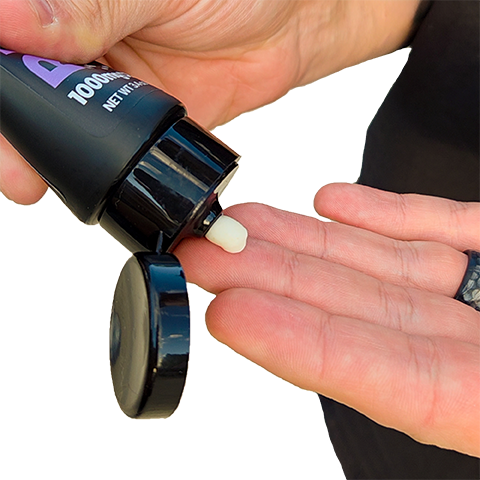
If you want a soft, skin-comforting option that fits into a daily routine, Muscle MX Restore Lotion can be a helpful add-on for moisture and barrier support—especially when the goal is to stay consistent without irritating sensitive skin.

FAQ's About Scar Cream

What is the best scar cream?

The best scar cream is the one that matches your scar type and that you’ll use consistently. Silicone-based gels or sheets are commonly recommended for raised scars, while hydration-focused formulas can help with comfort and texture.

Can scar cream help with old scars?

Yes, scar cream for old scars can improve dryness, tightness, and surface texture. Visible changes tend to be slower than with newer scars.

What’s the best scar cream for acne scars?

For acne scars, it helps to separate discoloration from true scarring. Topicals may support comfort and texture, but pitted scars often need professional treatments. Daily sun protection helps prevent marks from lingering.

How do I apply scar cream?

Apply a thin layer to clean, dry skin as directed (often 1–2 times daily). Once cleared for massage, use gentle circular motions for 1–2 minutes and stop if irritation occurs.

How long does scar cream take to work?

Many people notice comfort changes within weeks, but visible improvements often take 8–12+ weeks for newer scars and several months for older scars.

Does scar cream work on keloid scars?

It may help with comfort, but keloids often require clinician-guided treatment. Silicone and early intervention can be helpful.

References

  • American Academy of Dermatology (Scars: diagnosis & treatment)
    https://www.aad.org/public/diseases/a-z/scars-treatment
  • Mayo Clinic (Scars: overview)
    https://www.mayoclinic.org/diseases-conditions/scars/symptoms-causes/syc-20353912
  • Cleveland Clinic (Keloid scars: what they are + treatment)
    https://my.clevelandclinic.org/health/diseases/21546-keloid-scars
  • DermNet NZ (Hypertrophic scars and keloids)
    https://dermnetnz.org/topics/keloid-and-hypertrophic-scar
  • PubMed search (Silicone gel sheeting for scar management — evidence base)
    https://pubmed.ncbi.nlm.nih.gov/?term=silicone+gel+sheeting+scar