

Pain Between Shoulder Blades
Pain between the shoulder blades can make even simple parts of your day feel tense, draining, and hard to ignore. Our fast-acting heating and cooling topicals are made to help soothe tight, overworked muscles, ease daily discomfort, and support more comfortable movement so you can get back to work, workouts, and everyday life with less tension holding you back.
Comparing options? See our guides to muscle and joint stiffness, CBD rub, and topical pain relief.
-

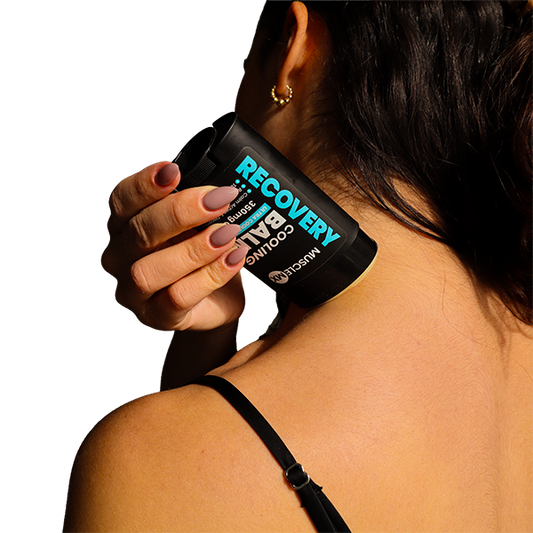 Vendor:Muscle MX
Recovery Cooling Balm
Regular price From $34.99 USDSale price From $34.99 USD Regular priceitem / per -

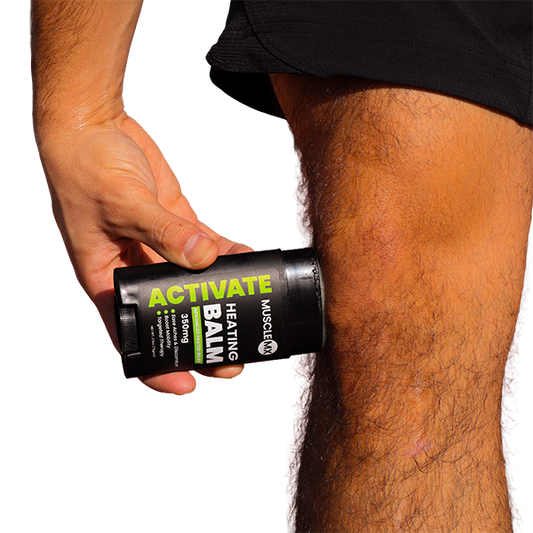 Vendor:Muscle MX
Activate Heated Balm
Regular price From $34.99 USDSale price From $34.99 USD Regular priceitem / per -

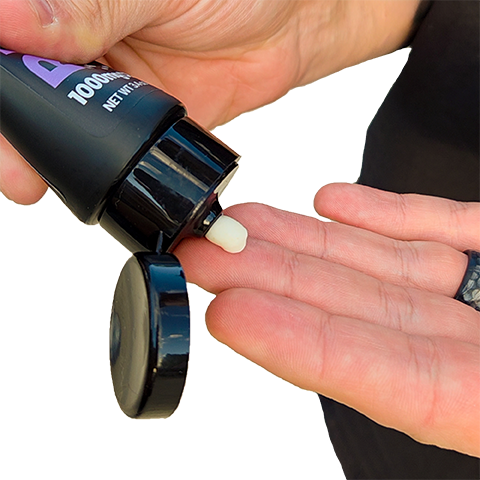 Vendor:Muscle MX
Restore Targeted Lotion
Regular price From $19.99 USDSale price From $19.99 USD Regular priceitem / per


Free Shipping
For orders over $75

Money Guarantee
30 day money back

Online Support
24 hours per day

Flexible Payment
Options Available
Pain Between Shoulder Blades: What Your Body Is Really Trying to Tell You
Key Takeaways
Understanding the difference between muscle and nerve pain helps you choose the right treatment approach and know when to seek medical attention.
• Muscle pain stays localized and aches, while nerve pain shoots, burns, and radiates - recognizing this difference guides your treatment approach.
• Poor posture from desk work is the leading cause - hunching over computers weakens shoulder stabilizers and creates chronic upper back strain.
• Women should watch for persistent shoulder blade pain as a heart attack warning - this symptom appears more often in females than classic chest pain.
• Sharp, sudden pain with breathing difficulty or chest tightness requires immediate medical care - these symptoms may indicate serious heart or lung conditions.
• Start relief with ice for 48-72 hours, then switch to heat therapy - combine with gentle stretching and over-the-counter anti-inflammatories for best results.
• Seek professional help if pain persists beyond two weeks or worsens - chronic discomfort may indicate spinal problems requiring targeted treatment.
Most shoulder blade pain resolves with proper rest and home care, but your body's warning signals shouldn't be ignored. When in doubt, consult a healthcare provider to rule out serious underlying conditions.
Introduction
Pain between your shoulder blades — it's one of those discomforts that can sneak up on you and linger far longer than you'd like. Whether you're dealing with a nagging ache after hours hunched over your computer or a sharp sensation that catches you completely off guard, this upper back discomfort is your body's way of getting your attention.
This type of pain, also known as interscapular pain, affects countless people in their daily routines. It can stem from something as simple as poor posture or signal something more serious that needs your attention. While muscle strain and overuse are often the culprits behind that familiar ache, understanding what's really causing your discomfort is the first step toward finding relief and preventing it from coming back.
Let's explore what your body might be trying to tell you through this upper back pain and discover the most effective ways to address it.
What Does That Aching Feeling Between Your Shoulder Blades Actually Mean?
Understanding the type of discomfort you're experiencing is the key to finding the right relief. Your body speaks different languages when something's wrong, and learning to interpret these signals can make all the difference in how you address the problem.
The Difference Between Muscle Pain and Nerve-Related Discomfort
Have you ever wondered why some aches feel completely different from others? When you're dealing with muscle pain, you'll typically notice a dull, aching sensation that stays right where the problem is. You can usually put your finger on the exact spot that hurts, and pressing on that area or moving in certain ways makes the discomfort worse. This type of pain often shows up after you've been active, maintained poor posture for too long, or lifted something heavy, and the good news is it usually responds well to rest and gentle stretching.
Nerve pain tells a completely different story. You'll experience sharp, burning, or shooting sensations that might come with tingling, numbness, or that familiar pins-and-needles feeling. Unlike muscle discomfort that stays put, nerve-related pain doesn't respect boundaries — it travels along nerve pathways, extending into your arms, hands, or even other parts of your body. This type of discomfort tends to be more stubborn and chronic, and simple rest alone won't make it go away.
Why Sharp Pain Between Shoulder Blades Feels Different Than Dull Aches
Sharp pain between your shoulder blades usually signals acute injury or nerve involvement. This intense, stabbing sensation can indicate a pinched nerve, herniated disk, or sudden muscle tear. Think of the sharpness as your body's immediate alarm system responding to tissue damage or nerve compression.
Dull aches paint a different picture entirely. This persistent, throbbing discomfort typically results from muscle strain, inflammation, or chronic conditions like arthritis. The aching quality suggests ongoing irritation rather than sudden trauma, often stemming from repetitive stress or prolonged poor posture.
Understanding Pain Patterns: Intermittent vs. Constant
Pay attention to when your pain shows up. Intermittent pain that comes and goes often relates to specific movements or positions. You might feel perfectly fine sitting still but experience discomfort when reaching overhead or twisting. This pattern usually points to muscular issues or joint dysfunction.
Constant pain lasting weeks signals something more persistent. Chronic discomfort that doesn't fade may indicate spinal problems, disk issues, or nerve compression requiring medical evaluation.
Your Body's Early Warning Signals You Shouldn't Ignore
Certain symptoms demand immediate attention:
- Pain accompanied by chest tightness, shortness of breath, or jaw discomfort
- Numbness, tingling, or weakness spreading into your arms or legs
- Pain that worsens progressively despite rest and over-the-counter medications
- Discomfort paired with fever, unexplained weight loss, or nausea
- Sudden, severe pain following an injury or trauma
These warning signs may indicate serious conditions affecting your heart, lungs, or spine that require prompt medical care.
What Are the Common Causes of Shoulder Blade Pain?
Understanding what's behind your shoulder blade discomfort is important for finding the right relief approach. Several factors can contribute to this pain, ranging from everyday habits to more serious underlying conditions.
Poor Posture and Modern Work Habits
Your shoulders weren't designed to handle hours of hunching over a computer screen. When you lean forward while working, crane your neck down to look at your phone, or slouch in your chair, you're putting your shoulder blades in an unnatural position. This forward posture weakens the muscles that normally keep your shoulders stable and balanced.
Over time, this creates a domino effect. Your shoulder blades shift forward and upward, forcing your upper back muscles to work overtime just to keep you upright. The constant strain can lead to muscle fatigue and that familiar ache between your shoulder blades.
Overuse and Repetitive Activities
Repetitive overhead movements can strain the muscles and tissues around your shoulder blades. Whether you're painting a ceiling, swimming laps, or working on an assembly line, these activities put repeated stress on your upper back. Athletes who throw, lift, or perform overhead motions face particularly high risk for developing this type of discomfort.
The key factor here is insufficient recovery time. When you perform these movements repeatedly without giving your muscles adequate rest, they can develop spasms and the surrounding ligaments may become strained.
Thoracic Spine and Disk Issues
Problems with the disks in your thoracic spine (the middle section of your back) can cause significant shoulder blade pain. Herniated disks occur when the soft material inside the disk pushes through tears in the outer layer, potentially compressing your spinal cord or nearby nerves.
About 52% of people with symptomatic herniated thoracic disks experience radiculopathy, which can feel like a strap tightening around their chest. Similarly, 70% experience myelopathy, causing leg weakness and numbness. As we age, our disks naturally lose their cushioning ability, making them more prone to injury, particularly in men between ages 40 and 60.
Pinched Nerves and Compression
When nerves become compressed, they can send pain signals throughout your upper back and shoulder blade area. This compression can happen when disks bulge, bone spurs develop from arthritis, or spinal stenosis narrows your spinal canal. Poor posture, especially that forward head position many of us adopt when using devices, contributes significantly to nerve compression in your neck area.
Injuries and Physical Trauma
Falls, car accidents, and sports injuries can damage the muscles, ligaments, and bones around your shoulder blades. A sudden impact or jarring movement can cause disk herniation, while direct blows to the area can fracture your shoulder blade or strain the surrounding soft tissues.
Scapulothoracic Bursitis
This condition develops when the bursa — a small fluid-filled sac that cushions the area between your shoulder blade and ribcage — becomes inflamed. You might notice grinding, grating, or snapping sounds when you move your shoulder, which is why this condition is sometimes called "snapping scapula syndrome." It's commonly seen in people who play overhead sports or perform repetitive work activities.
When Your Pain Signals Something More Serious
While most shoulder blade pain stems from muscle strain or posture issues, sometimes your body is trying to warn you about something that needs immediate attention. These situations are less common, but understanding the warning signs can make all the difference.
Heart-Related Causes of Upper Back Pain
Heart conditions can show up as pain between your shoulder blades, and this is especially important for women to understand. Research shows females are more likely to experience pain between their shoulder blades before a heart attack than males, with the pain often being dull but persistent.
Heart attacks may present with shoulder blade pain alongside shortness of breath, chest tightness, or lightheadedness. Aortic dissection, a tear in the artery wall, and pericarditis, inflammation of the heart's lining, also cause this type of discomfort and constitute medical emergencies.
Respiratory Conditions Affecting the Upper Back
Your lungs and upper back are more connected than you might think. Pulmonary embolism, a blood clot traveling to the lungs, produces sharp, sudden pain. Pleurisy causes pain that worsens with deep breathing or coughing.
Lung cancer accounts for back pain in 25 percent of patients. Pancoast tumors, developing at the top of the lungs, typically cause shoulder and shoulder blade pain rather than respiratory symptoms.
Digestive Issues Causing Referred Pain
Your digestive system can send pain signals to your upper back through nerve connections. Gallbladder disease frequently triggers stabbing pain between shoulder blades after consuming fatty meals. Pancreatitis more commonly causes left shoulder blade pain. Liver illness, peptic ulcer disease, and acid reflux can also produce referred pain in this region through diaphragmatic nerve irritation.
Cancer and Other Concerning Conditions
Beyond lung cancer, lymphomas, pancreatic cancer, esophageal cancer, and liver cancer may cause shoulder blade pain. Mesothelioma patients reported shoulder pain as their first symptom in 14.3 percent of cases. Bone metastases from various cancers can affect the shoulder blade area.
Pain Between Shoulder Blades Women Should Watch For
Women experience different heart attack symptoms than men, often presenting with persistent shoulder blade pain rather than classic chest pain. This pain may appear alongside fatigue, nausea, or pain radiating to the jaw, neck, or arm, requiring immediate medical evaluation.
Remember, while these conditions are serious, they're not the most common causes of shoulder blade pain. However, if you're experiencing persistent discomfort along with any concerning symptoms, it's always better to seek medical guidance sooner rather than later.
Relief Options for Shoulder Blade Pain
When it comes to easing that nagging discomfort between your shoulder blades, the good news is that many effective approaches can be started right at home.
Rest and Activity Changes
Your upper back needs time to recover, so take a step back from strenuous activities for at least two days. Prolonged sitting can make shoulder blade pain worse, so try changing positions frequently throughout your day. You don't need to stay completely still — gentle activities like walking or light stretching can actually help while you avoid movements that trigger your discomfort.
Ice and Heat Therapy
Apply ice packs wrapped in a towel for 15-20 minutes during the first 48-72 hours to help reduce swelling and inflammation. Once the initial swelling calms down, switch to moist heat using warm towels or heating pads for 15-20 minutes. This helps relax tight muscles and encourage better blood flow. You can alternate between both therapies throughout the day as needed.
Gentle Upper Back Stretches
Simple movements can provide significant relief. Try shoulder blade squeezes, doorway stretches, and gentle shoulder rolls to ease tension. You can roll your shoulders forward and backward, or link your hands behind your back and gently pull downward. Hold each stretch for 20-30 seconds and repeat them several times throughout your day.
Over-the-Counter Options
NSAIDs like ibuprofen (Advil, Motrin) and naproxen (Aleve) can help reduce both pain and swelling. If you prefer something gentler on your stomach, acetaminophen (Tylenol) offers pain relief with fewer digestive side effects. Topical pain relief creams can provide targeted relief right where you need it.
CBD and Topical Therapies
CBD cream works with your body's endocannabinoid system to help reduce inflammation and muscle tension when applied directly to the affected area. Many CBD products also contain menthol or camphor for added cooling effects. This natural approach can be particularly helpful when other methods haven't provided the relief you're looking for.
Professional Treatment Approaches
Physical therapists can guide you through targeted exercises designed specifically for your situation. Other options include massage therapy, acupuncture, chiropractic care, and TENS therapy. These professionals can help address the root cause of your discomfort and provide personalized strategies for long-term relief.
Remember, finding the right combination of approaches often takes some experimentation. What works best for you may be different from what works for someone else.
Final Thoughts
Shoulder blade pain can be frustrating, but understanding what's causing it puts you in control of finding relief. Most of the time, that nagging ache between your shoulders comes from muscle strain or spending too many hours hunched over a desk. The good news? Simple approaches like rest, gentle stretching, and heat therapy often do the trick.
Remember, your body is pretty good at telling you when something needs attention. If your discomfort hangs around despite your best efforts at home treatment, or if you notice warning signs like chest tightness, numbness, or pain that spreads to other areas, don't hesitate to reach out to a healthcare professional.
Knowledge is power when it comes to your health, and now you have the tools to recognize what your upper back discomfort might be trying to tell you. Trust your instincts — if something doesn't feel right, it's always better to get it checked out.
We invite you to explore our full range of CBD wellness products at Muscle MX. Our topical balms are designed to work with your body's natural systems, offering targeted support right where you need it most. Your wellness journey is uniquely yours, and we're here to support you every step of the way.
FAQ's About Pain Between Shoulder Blades
Q: How can I relieve pain between my shoulder blades at home?
A: Start by resting and avoiding strenuous activities for at least two days. Apply ice packs wrapped in a towel for 15-20 minutes during the first 48-72 hours to reduce inflammation. After the initial swelling subsides, switch to moist heat using warm towels or heating pads. Combine this with gentle stretching exercises like shoulder blade squeezes and shoulder rolls, and consider taking over-the-counter anti-inflammatory medications like ibuprofen or naproxen for additional relief.
Q: When should I be concerned about pain between my shoulder blades?
A: Seek immediate medical attention if your shoulder blade pain is accompanied by chest tightness, shortness of breath, jaw discomfort, or lightheadedness, as these may indicate heart-related issues. You should also consult a healthcare provider if the pain persists beyond two weeks despite home treatment, progressively worsens, or is accompanied by numbness, tingling, weakness in your arms or legs, fever, unexplained weight loss, or if it follows a traumatic injury.
Q: Why do women experience pain between shoulder blades differently?
A: Women are more likely than men to experience pain between their shoulder blades as a warning sign of heart problems, particularly before a heart attack. This pain is often dull but persistent and may appear alongside other symptoms like fatigue, nausea, or pain radiating to the jaw, neck, or arm. Because women's heart attack symptoms differ from the classic chest pain presentation, persistent shoulder blade pain in women requires prompt medical evaluation.
Q: What are the most common causes of upper back pain between shoulder blades?
A: The most frequent causes include poor posture from desk work and prolonged computer use, which weakens shoulder stabilizing muscles. Muscle overuse from repetitive overhead activities like painting, swimming, or lifting also commonly triggers this pain. Other causes include herniated disks in the thoracic spine, pinched nerves, muscle strains from sudden movements, and scapulothoracic bursitis from overuse or injury.
Q: What serious medical conditions can cause pain between shoulder blades?
A: Several serious conditions can manifest as shoulder blade pain, including heart attacks, aortic dissection, and pericarditis. Respiratory issues like pulmonary embolism, pleurisy, and lung cancer may also cause this discomfort. Digestive problems such as gallbladder disease and pancreatitis can produce referred pain in this area. Additionally, various cancers including lymphomas, pancreatic cancer, and bone metastases may present with shoulder blade pain as a symptom.
References
https://www.bswhealth.com/blog/tips-relieve-pain-between-shoulder-blades
https://andrewsinstitutesc.com/upper-back-pain-relief/
https://redbuttepain.com/what-causes-aching-pain-between-the-shoulder-blades/
https://www.christushealth.org/connect/your-health/neurology/how-to-know-if-back-pain-is-muscular-or-spinal
https://hartfordhospital.org/about-hh/news-center/news-detail?articleId=68821
https://www.drallisonrossdc.com/blog/5-key-differences-between-muscle-pain-nerve-pain-and-disk-pain
https://www.verywellhealth.com/pain-between-shoulder-blades-2248950
https://www.medicalnewstoday.com/articles/upper-back-pain-between-shoulder-blades
AS SEEN IN


