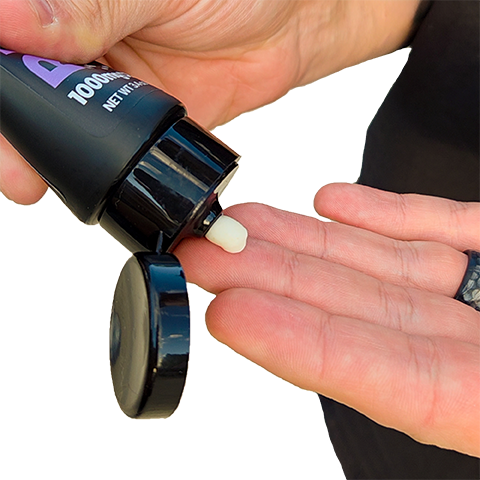
Arthritis Cream

Arthritis cream for soothing joint discomfort, daily mobility, and targeted relief. Restore is a fast-absorbing option that will fit your wellness routine.

arthritis cream
  • 500k+

    Happy Customers

  • 5000+

    5 Stars Rating

  • Awards

    Voted best Topicals

  • 10 Years

    On the Market

  • 3000+

    Stores Nationwide

Free Shipping

For orders over $75

Money Guarantee

30 day money back

Online Support

24 hours per day

Flexible Payment

Options Available

MUSCLE MX RESTORE CBD LOTION

A True 4 in 1 Lotion

Muscle MX Restore Lotion is a versatile and effective solution for those seeking comprehensive pain relief and skin care. This all-in-one lotion combines the unique benefits of heating and cooling effects, making it the best CBD lotion for addressing discomfort and promoting skin health. Formulated with natural, beneficial ingredients like colloidal silver, it is designed to alleviate pain and reduce inflammation, providing targeted relief for conditions such as arthritis. As a top choice for CBD cream for arthritis and wound care, Muscle MX Restore Lotion not only soothes aches but also supports skin recovery, making it an essential addition to any wellness routine.

Arthritis Cream Explained: Everything You Need to Know Before Buying

Key Takeaways

Understanding arthritis cream options helps you make informed decisions for targeted pain relief without the systemic side effects of oral medications.

• Topical NSAIDs like Voltaren work best for superficial joints (knees, hands, elbows) and are recommended as first-line treatment by the American College of Rheumatology

• Different ingredients target pain differently: NSAIDs reduce inflammation, capsaicin depletes pain transmitters, and counterirritants create distracting sensations

• Arthritis creams are ideal for older adults who can't take oral NSAIDs, people with sensitive stomachs, and those with mild to moderate osteoarthritis

• Allow 30 minutes to 1 hour for effectiveness and up to 7 days for full arthritis pain relief with consistent daily application

Topical treatments offer a safer alternative to oral medications while providing localized relief where you need it most. Choose products with proven ingredients and give them adequate time to demonstrate their effectiveness.

Introduction

Joint pain from arthritis can turn simple daily tasks into uncomfortable challenges. Whether it's opening a jar, turning a doorknob, or just getting through your morning routine, that persistent ache can really impact your quality of life. The good news? Arthritis cream offers a targeted way to address joint discomfort right where you need it most.

The American College of Rheumatology actually recommends topical NSAIDs as a first treatment for osteoarthritis pain, particularly for the knees. These topical options are gentler on your digestive system and less likely to cause liver concerns compared to oral medications.

Whether you're exploring anti-inflammatory cream options, considering CBD cream and CBD lotion products, or looking into arnica cream, understanding what's available can help you make the right choice for your needs.

Let's learn more about how arthritis pain relief cream works, the different types of ingredients you'll find, and what to look for when choosing the best arthritis cream for your situation.

How Topical Arthritis Cream Works

What Are Topical Pain Relievers?

Topical pain relievers are medications you apply directly to your skin over the areas where you're experiencing joint discomfort. You'll find these products in several forms: creams, lotions, gels, sprays, and patches. Creams and gels are rubbed into the affected area, while patches adhere to your skin and slowly release medication over time.

Research shows these topical options can reduce pain by up to 50 percent. Here's what makes them different from oral medications: pills must travel through your stomach, get absorbed into your bloodstream, and circulate throughout your entire body before reaching the pain site. Topical products? They work right where you apply them.

How the Medicine Penetrates Your Skin

The active ingredients in arthritis pain relief cream absorb through your skin to reach the tissues underneath. Most topical pain relievers take between 30 minutes and 1 hour to become effective. This absorption process allows the medication to target nerves and tissues near the surface without significant amounts entering your bloodstream.

This localized action explains why topical NSAIDs cause fewer side effects than their oral counterparts. As Michael Nieto, M.D., a sports medicine physician, explains: "We like to use the topicals better as a first-line defense because they have fewer systemic effects than an oral anti-inflammatory, like ibuprofen".

The medication concentrates near your pain source. While some does enter your bloodstream, the amount stays minimal compared to pills. This reduced systemic exposure means lower risk of stomach upset, bleeding, or cardiovascular issues.

Which Joints Respond Best to Topical Treatment

Ever wonder why some joints respond better to topical treatments than others? It all comes down to skin thickness and how well the cream can penetrate to reach your joints. Products work most effectively on superficial joints close to your skin surface:

  • Knees
  • Hands and fingers
  • Elbows
  • Wrists
  • Ankles and feet

Your shoulders, hips, and lower back have thicker skin coverage. Muscle and fat layers surround these deeper joints, preventing the medication from penetrating far enough. This is why OTC arthritis cream shows limited effectiveness for these areas.

Joints in thin-skinned areas respond most favorably to treatment. The size of the affected area matters too. When arthritis affects multiple body parts or large regions like your entire lower back, topical treatments may not provide adequate coverage. For anti-inflammatory cream to work effectively, your pain source needs to be localized.

What Are the Types of Arthritis Pain Relief Cream Ingredients?

Different active ingredients work in unique ways to target arthritis discomfort. Understanding these categories can help you choose the most suitable OTC arthritis cream for your specific situation.

NSAIDs (Nonsteroidal Anti-Inflammatory Drugs)

Topical NSAIDs work by stopping your body's production of substances that cause pain. Diclofenac is the main NSAID you'll find in topical form, featured in products like Voltaren Arthritis Pain. This prescription-strength formula became available over-the-counter in 2020. What makes topical NSAIDs appealing is their localized action — they have lower risks of stomach upset, bleeding, or heart problems compared to oral versions.

Capsaicin

Capsaicin comes from chili peppers and works by reducing Substance P, which is a pain transmitter in your nerves. You'll find OTC preparations containing 0.025% to 0.1% capsaicin. Research shows that daily capsaicin gel use resulted in over 50 percent pain reduction during 12-week trials. Remember, this ingredient creates a warm tingling or burning sensation initially, though this typically gets better with continued use. Look for products like Capzasin-HP and Zostrix.

Salicylates

These ingredients are chemically similar to aspirin and provide mild anti-inflammatory effects. You'll recognize common products like Aspercreme and Bengay. Salicylates work by decreasing inflammation when they absorb into your skin. They may help with temporary acute pain, though the evidence for chronic arthritis pain isn't as strong.

Counterirritants

Menthol, eucalyptus, and camphor create temporary hot or cold sensations that interrupt pain signals to your brain. Essentially, these ingredients distract your brain from sensing the joint pain underneath. Products like Icy Hot and Tiger Balm often combine multiple counterirritants. They offer modest relief but aren't considered effective for severe discomfort.

CBD Cream and CBD Lotion

Studies suggest CBD may have pain-relieving and anti-inflammatory properties, but we need more validation through larger studies. People report mixed results — some experience noticeable pain relief while others see no improvement. Research on CBD cream specifically for arthritis is still limited.

Arnica Cream

Arnica has been used in homeopathic medicine for centuries. Studies show arnica demonstrated comparable pain management activity to ibuprofen in hand osteoarthritis patients. Research found that arnica gel reduced pain scores when applied for three to six weeks.

Who Should Use OTC Arthritis Cream

Topical arthritis treatments aren't a one-size-fits-all solution. Your specific situation, health history, and type of arthritis all play a role in determining whether these products will work well for you.

People with Mild to Moderate Osteoarthritis

If you're dealing with mild to moderate osteoarthritis, particularly in your hands, knees, ankles, or elbows, topical pain relievers can be quite effective. These superficial joints respond well to treatment because the medication can reach the affected area more easily.

However, if you have rheumatoid arthritis or other inflammatory conditions, topical treatments may not be your best option. Medications that primarily address pain have a limited role in managing active RA, which typically requires a different treatment approach.

Older Adults Who Can't Take Oral NSAIDs

Are you over 65 and finding that oral pain medications cause unwanted side effects? Topical NSAIDs might be exactly what you need. Many older adults can't tolerate oral NSAIDs due to stomach sensitivity or heart concerns, and narcotic pain relievers can cause drowsiness that increases fall risk.

Remember that as we age, our skin becomes thinner, which actually helps topical medications absorb more effectively.

Those with Sensitive Stomachs

Stomach sensitivity doesn't have to keep you from finding arthritis relief. Since topical treatments bypass your digestive system initially, they're much gentler on your stomach than oral medications.

That said, it's important to know that some medication still enters your bloodstream. If you have a history of ulcers or gastrointestinal bleeding, there's still some risk involved, so checking with your healthcare provider makes sense.

When Topical Creams Aren't the Right Choice

Sometimes topical treatments simply aren't appropriate. You'll want to avoid them if you're already taking oral NSAIDs, dealing with arthritis in multiple joints, or experiencing severe bone-on-bone osteoarthritis. Pregnancy after 20 weeks is another situation where these products shouldn't be used.

Skin allergies or sensitivity to salicylates also make topical treatments unsuitable. Understanding these limitations can help you make the right choice for your specific situation.

The Bottom Line

Finding the right arthritis cream can make a meaningful difference in how your body feels day to day. While options like Voltaren are often recommended for targeted relief, many people are turning to gentler, skin-nourishing alternatives like Muscle MX Restore Lotion. Infused with CBD and hydrating ingredients, it not only helps soothe joint and muscle discomfort but also supports your skin—so you can feel comforted, restored, and ready to move with ease. Topical solutions like these tend to work best on joints closer to the surface and are a great option if you’re looking for effective relief without relying on oral medications.

Remember, the active ingredient that matches your specific needs matters more than the brand name on the package. Start with products that have solid research behind them, use them consistently as directed, and give them enough time to work before deciding to try something different.

Your journey to managing arthritis discomfort is unique to you, and topical treatments offer a targeted way to address pain right where you feel it most. Understanding your options empowers you to make the choice that works best for your situation and lifestyle.

FAQ's About Arthritis Cream

Q: Which arthritis cream is most effective for pain relief?

A: Diclofenac gel is considered one of the most effective topical treatments for arthritis pain. Research shows it provides significant relief for mild to moderate osteoarthritis, particularly in superficial joints like knees and hands. It became available over-the-counter in 2020 and works by reducing inflammation at the application site.

Q: How often should I apply arthritis cream throughout the day?

A: Most arthritis creams should be applied 3 to 4 times daily to affected areas. For diclofenac gel specifically, the recommended dosage is 2 grams applied four times a day for hands, elbows, or wrists, with a maximum total of 32 grams per day across all affected joints. Always follow the specific product instructions for best results.

Q: What’s the main difference between Muscle MX Restore and Voltaren?

A: Muscle MX Restore is a CBD-infused topical that goes beyond basic relief—helping soothe joint and muscle discomfort while deeply hydrating and restoring your skin. It’s designed for daily use, supporting both how you feel and how your body moves. In contrast, Voltaren is a topical NSAID focused specifically on reducing inflammation. While effective, it takes a more clinical approach, whereas Muscle MX Restore delivers a more well-rounded, feel-good experience that supports comfort, recovery, and skin health all in one.

Q: Can arthritis creams cause stomach problems like oral medications?

A: Topical arthritis creams are much less likely to cause stomach upset compared to oral NSAIDs because they work locally at the application site with minimal absorption into the bloodstream. However, if you have a history of ulcers or gastrointestinal bleeding, some medication still enters your blood and may pose risks, so consult your doctor first.

Q: How long does it take for arthritis cream to start working?

A: Most topical pain relievers take between 30 minutes to 1 hour to become effective after application. However, for full arthritis pain relief, you may need to use the product consistently for up to 7 days. Capsaicin-based creams may require up to 2 weeks of regular use before you notice significant symptom improvement.

References

https://www.arthritis.org/drug-guide/medication-topics/topicals
https://www.healthline.com/health/7-topical-pain-relief-products-reviewed
https://www.goodhousekeeping.com/health-products/g60296036/best-arthritis-creams/
https://medlineplus.gov/druginfo/meds/a611002.html
https://www.arthritis.org/drug-guide/medication-topics/topical-nsaids-offer-joint-pain-relief
https://www.arthritis-uk.org/information-and-support/understanding-arthritis/arthritis-treatments/complementary-and-alternative-treatments/types-of-complementary-treatments/capsaicin/
https://www.hss.edu/health-library/move-better/capsaicin-cream
https://www.arthritis-health.com/treatment/medications/over-counter-topical-arthritis-pain-relief
https://my.clevelandclinic.org/health/drugs/19629-trolamine-salicylate-cream
https://www.arthritis.org/health-wellness/healthy-living/managing-pain/pain-relief-solutions/cbd-for-arthritis-pain