How to Relieve Carpal Tunnel Pain: Doctor-Approved Stretches You Can Do at Work
Key Takeaways
These doctor-approved strategies can help you manage carpal tunnel pain effectively while maintaining workplace productivity.
- Start stretching immediately when symptoms appear - Early intervention with wrist extensions, prayer stretches, and tendon glides prevents permanent nerve damage and speeds recovery.
- Take 30-60 second micro-breaks every 20-30 minutes - Brief pauses to shake hands and perform wrist circles interrupt repetitive strain patterns without disrupting work flow.
- Adjust your workstation for neutral wrist positioning - Keep keyboards at elbow level, monitors at eye height, and feet flat on floor to reduce pressure on median nerve.
- Warm up before stretching, ice after activities - Apply heat for 15 minutes before exercises to increase flexibility, then use cold therapy to reduce inflammation and swelling.
- Combine stretches with ergonomic habits for best results - Proper desk setup, supportive braces, and consistent exercise create an environment where wrists can heal and strengthen effectively.
Consistency is key - these simple techniques become powerful medicine when practiced daily, especially during long work sessions when carpal tunnel symptoms typically worsen.
Introduction
Carpal tunnel syndrome — it's a condition that can turn your workday into a struggle with uncomfortable tingling, numbness, and weakness in your wrists and hands. Have you noticed these symptoms creeping in during your workday?
Your median nerve travels through a narrow passage in your wrist called the carpal tunnel. When this nerve gets squeezed or compressed, even simple tasks can become challenging. The good news is that proper stretches can provide significant relief. Studies show that consistent carpal tunnel exercises can improve hand and arm function that's been impacted by this common condition.
While carpal tunnel syndrome affects women more often than men, it impacts countless professionals who perform repetitive hand movements daily. Certain health conditions like diabetes, obesity, and rheumatoid arthritis may also increase your risk.
Remember, you don't have to suffer through the workday. With the right wrist and hand stretches, you can manage symptoms effectively. When performed correctly, these exercises shouldn't cause pain, though they might feel challenging at first.
Let's explore doctor-approved stretches you can do right at your desk, along with practical strategies to prevent carpal tunnel pain from interfering with your work and daily activities.
What Causes Carpal Tunnel Pain at Work
Repetitive workplace motions are the most significant contributor to carpal tunnel syndrome (CTS), which affects thousands of workers annually. The condition often develops gradually as you perform the same hand movements repeatedly, making early recognition important.
How repetitive motion affects your wrist
Your median nerve runs from your forearm through the narrow carpal tunnel passage in your wrist. Repetitive motions such as typing, assembly line work, or using vibrating tools can irritate the tendons surrounding this tunnel. When these tendons swell, they reduce blood flow and compress the median nerve.
Research shows that forceful gripping activities substantially increase pressure on the nerve. Jobs particularly at risk include assembly line workers, mechanics, hair stylists, and office workers. Poor ergonomics and awkward wrist positioning also contribute significantly to tissue inflammation within the carpal tunnel.
Vibrating tools and extreme wrist motions create excessive pressure on your median nerve. Consider this: repetitive motion disorders comprised 48% of all reported workplace illnesses in 1990, up from just 18% in 1980.
Common symptoms to watch for
CTS symptoms typically begin subtly and progress over time if left untreated:
- Initial stage: Mild tingling or numbness in your thumb, index, and middle fingers, especially at night
- Intermediate stage: Pain radiating up the arm, weakened grip, and intensified discomfort during activities requiring repetitive hand movements
- Advanced stage: Constant numbness, difficulty performing simple tasks, and potential muscle wasting at the base of your thumb
Many people report the need to "shake out" their hands upon waking. Nighttime pain that wakes you up serves as a common warning sign.
Why early intervention matters
Without appropriate treatment, carpal tunnel syndrome can lead to permanent nerve damage and loss of finger movement. As the condition progresses, the frequency and intensity of symptoms increase.
Understanding these warning signs is important because early diagnosis and proper stretches for carpal tunnel relief can prevent the condition from worsening. Nerve and tendon gliding exercises have proven helpful for many patients.
Starting treatment as soon as symptoms appear remains essential to prevent lasting damage. The longer you delay seeing a doctor, the more potential for nerve damage exists, potentially leading to a longer recovery period or even surgery.
How to Prepare Before Stretching
Understanding proper preparation before attempting carpal tunnel stretches is important for both effectiveness and safety. Taking a few moments to ready your hands and wrists can help you get the most out of your exercises while minimizing discomfort.
Warm-up movements to loosen your hands
Before you start specific carpal tunnel stretches, it's helpful to gently warm up your hands with these simple movements:
- Rotate your wrists up, down, and from side to side, repeating 4 times in each direction
- Spread your fingers wide apart, relax them completely, then spread again (repeat 4 times)
- Gently pull your thumb back, hold briefly, then release (repeat 4 times)
These preliminary movements help increase circulation and prepare your tissues for more targeted exercises. Taking micro-breaks every 10-15 minutes during repetitive tasks can also help prevent strain.
When to use heat or cold therapy
Heat therapy works well before performing carpal tunnel exercises. Apply warmth to your hands and wrists for 15 minutes prior to stretching to increase blood flow and loosen stiff joints. This helps relax tense muscles and improves tissue flexibility.
Cold therapy, on the other hand, is more appropriate after activities or when you're experiencing acute pain and swelling. Apply ice wrapped in fabric to your wrist for 15 minutes, followed by a 15-minute rest before reapplying if needed. This helps ease inflammation by constricting blood vessels and slowing tissue molecules.
Whatever therapy you choose, never apply extreme temperatures directly to bare skin, as this can cause injury.
Safety tips before starting carpal tunnel exercises
Before you begin any hand stretches for carpal tunnel relief:
- Stop immediately if you experience sharp pain (mild pulling sensations are normal)
- Monitor your skin condition throughout heat or cold application
- Avoid performing exercises that cause numbness to worsen
- Consider applying heat before and ice after your stretching routine for optimal results
Keep in mind that wrist stretches for carpal tunnel should never be painful. If discomfort persists after 3-4 weeks of consistent exercise, it's time to consult your doctor or physical therapist.
What Are Doctor-Approved Stretches for Carpal Tunnel Relief?

These research-backed stretches can effectively reduce your carpal tunnel symptoms when you perform them correctly. The key is moving gently and stopping if you feel sharp pain.
Wrist Extension Stretch
Straighten your affected arm with your palm facing down. Bend your wrist back as if you're signaling "stop." Use your opposite hand to gently pull your affected hand toward you until you feel a mild stretch in your forearm. Hold this position for 15-30 seconds, then relax. Repeat 3-5 times. Avoid locking your elbows or bending your fingertips backward during this stretch.
Wrist Flexion Stretch
With your affected arm straight, bend your wrist downward so your fingers point toward the floor. Gently pull your hand toward your body until you feel a stretch in the forearm. Hold for 15-30 seconds, then relax. Repeat 3-5 times on each arm.
Prayer Stretch
Place your palms together in front of your chest below your chin. Slowly lower your hands toward your waistline, keeping your palms together and close to your stomach. Hold when you feel a mild to medium stretch under your forearms for 15-30 seconds. Repeat 2-4 times.
Tendon Glides (Type A and B)
Series A:
- Hold your hand with wrist and fingers straight
- Bend fingertips down (hook position)
- Make a tight fist with thumb over fingers
- Return to start position, repeat 10 times
Series B:
- Start with straight wrist and fingers
- Bend at bottom knuckles forming an "L"
- Touch fingers to palm
- Return to start, repeat 10 times
Median Nerve Glides
This six-position sequence helps improve nerve mobility:
- Make a fist with thumb outside
- Straighten fingers (thumb alongside hand)
- Bend wrist backward
- Extend thumb outward
- Turn forearm palm up
- Gently stretch thumb with other hand
Hold each position 3-7 seconds. Repeat 10 times.
Shake It Out Technique
Simply shake your hands gently for about a minute. This technique can be especially helpful at night when symptoms often worsen. It improves circulation and provides quick relief during your work hours.
What Daily Habits Support Carpal Tunnel Recovery?

Your daily workplace habits play a crucial role in recovery and prevention beyond the stretches we've covered. Creating an environment that supports wrist health requires attention to several key factors that can make a real difference in your comfort level throughout the day.
Adjusting Your Desk and Keyboard Position
Proper workstation setup forms the foundation of carpal tunnel relief. Position your keyboard at or slightly below elbow level to keep your wrists in a neutral position. Your monitor should sit at eye level, about arm's length away, so your shoulders can stay relaxed. Keep your chair height adjusted so your feet rest flat on the floor with your knees at 90 degrees. This alignment helps distribute pressure evenly throughout your arms and wrists.
Taking Regular Micro-Breaks
Brief 30-60 second pauses every 20-30 minutes can interrupt repetitive strain patterns before they become problematic. Set reminders to shake out your hands, roll your shoulders, or perform quick wrist circles. These micro-breaks improve circulation and reduce inflammation without disrupting your productivity. Research shows that these short intervals can significantly decrease musculoskeletal discomfort throughout your body.
Using Wrist Supports or Braces
A neutral wrist splint worn at night prevents awkward sleeping positions that can make symptoms worse. Daytime braces should be snug but not restrictive — allowing finger movement while limiting extreme wrist flexion. Remove braces periodically to maintain muscle strength and mobility.
Natural Relief Options
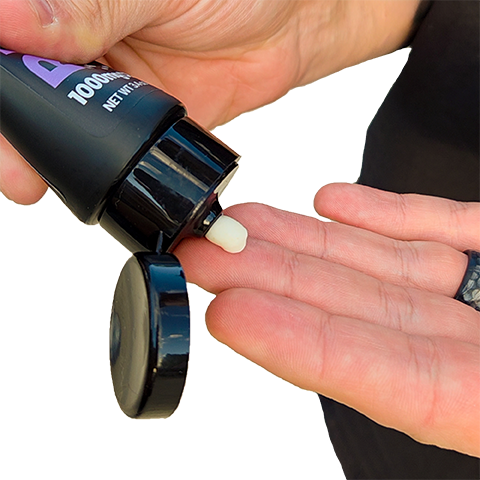
You might also consider applying CBD topicals directly to affected areas before activities that typically trigger discomfort. Unlike oral medications, topical treatments provide localized relief with minimal side effects. These products work well alongside proper ergonomics and carpal tunnel exercises as part of your overall wellness approach.
Understanding that recovery involves both targeted exercises and supportive daily habits can help you create a workplace environment where your wrists can heal and function comfortably.
Final Thoughts
Carpal tunnel syndrome doesn't have to control your work life. You now have practical tools to manage symptoms and support your wrist health — from targeted stretches to workplace adjustments that make a real difference.
Early intervention is your best ally. Those initial warning signs like tingling or numbness are your body's way of asking for help, not something to push through. The stretches and habits outlined here work best when you start using them right away, before symptoms worsen.
Understanding the importance of consistency cannot be overstated. These simple movements become powerful when practiced regularly, especially during those long work sessions when discomfort typically appears. Your workspace setup, regular breaks, and proper stretching technique all work together to create an environment where your wrists can heal and stay healthy.
The discomfort you're experiencing today doesn't have to become permanent nerve damage tomorrow. You have the knowledge and techniques to take control of your wrist health. Whether it's adjusting your keyboard height, taking those important micro-breaks, or applying topical relief when needed, small changes can lead to significant improvements.
Your wellness journey is uniquely yours, and managing carpal tunnel pain is an important part of maintaining your ability to work comfortably and effectively. Start implementing these techniques today — your wrists will thank you for it.
FAQ's About Carpal Tunnel Pain and Exercises
Q: What are some quick ways to relieve carpal tunnel pain at work?
A: Take short, frequent breaks to perform gentle hand stretches and exercises. Rotate your wrists, stretch your palms and fingers, and try shaking out your hands. You can also use a wrist splint and apply ice to reduce inflammation after work activities.
Q: Can stretching exercises help with carpal tunnel syndrome?
A: Yes, stretching exercises can be very beneficial for carpal tunnel syndrome. Regular practice of doctor-approved stretches like wrist extensions, prayer stretches, and tendon glides can help alleviate pain, improve flexibility, and prevent the condition from worsening.
Q: How should I set up my workstation to prevent carpal tunnel pain?
A: Position your keyboard at or slightly below elbow level to maintain neutral wrists. Keep your monitor at eye level and about arm's length away. Adjust your chair height so your feet rest flat on the floor with knees at a 90-degree angle. This alignment helps distribute pressure evenly throughout your arms and wrists.
Q: When should I use heat or cold therapy for carpal tunnel relief?
A: Apply heat for about 15 minutes before performing carpal tunnel exercises to increase blood flow and loosen stiff joints. Use cold therapy after activities or when experiencing acute pain and swelling. Apply ice wrapped in fabric to your wrist for 15 minutes to reduce inflammation.
Q: How often should I take breaks to prevent carpal tunnel symptoms?
A: Take brief 30-60 second breaks every 20-30 minutes during repetitive tasks. Use these micro-breaks to shake out your hands, roll your shoulders, or perform quick wrist circles. This practice helps improve circulation and reduce inflammation without significantly disrupting your work.
References
https://www.webmd.com/pain-management/carpal-tunnel/best-exercises-carpal-tunnel
https://orthoinfo.aaos.org/globalassets/pdfs/a00789_therapeutic-exercise-program-for-carpal-tunnel_final.pdf
http://www.union.health/blogs/home-exercises-for-carpal-tunnel-syndrome
https://pubmed.ncbi.nlm.nih.gov/9646750/
https://www.tdi.texas.gov/tips/safety/carpaltunnel.html
https://www.assh.org/handcare/blog/how-to-treat-carpal-tunnel-syndrome-without-surgery
https://www.chesapeakehand.com/2025/10/03/carpal-tunnel-syndrome-in-office-workers-what-you-need-to-know/
https://www.franciscanhealth.org/community/blog/not-just-keyboards-many-types-of-workers-can-develop-carpal-tunnel
https://practiceplusgroup.com/knowledge-hub/stages-carpal-tunnel/
https://www.treatpainnow.com/blog/3-ways-your-job-can-cause-carpal-tunnel-syndrome
https://www.orthoatlanta.com/media/carpal-tunnel-syndrome-in-the-workplace
https://healthy.kaiserpermanente.org/health-wellness/health-encyclopedia/he.wrist-care-preventing-carpal-tunnel-syndrome.tn9041
https://www.assh.org/handcare/condition/heat-treatment-cold-treatment