Sports Hernia: What Athletes Need to Know About Symptoms and Recovery
Key Takeaways
Understanding sports hernia symptoms and treatment options is crucial for athletes experiencing persistent groin pain during activity.
- Sports hernia isn't actually a hernia - it's a soft tissue injury affecting muscles and tendons in the lower abdomen/groin with no visible bulge
- Seek medical attention if groin pain persists beyond 4-6 weeks or if pain returns immediately when resuming athletic activity
- 90% of athletes successfully return to sports with proper treatment, whether through conservative therapy or surgical repair
- Males aged 26-28 in twisting sports face highest risk - hockey, soccer, football, and tennis create ideal conditions for this injury
- Early diagnosis prevents months of frustration - recognizing the cycle of pain during activity that improves with rest is key
The key to successful recovery lies in early recognition and proper medical evaluation. Don't let persistent groin pain sideline your athletic career when effective treatment options can get you back to peak performance.
Introduction
Have you experienced persistent groin pain during athletic activity that just won't go away? You're not alone. Sports hernia affects approximately 5% of adult athletes every year, yet the diagnosis often goes unrecognized for several months or even years. This injury involves torn soft tissues in the lower abdomen or groin area, causing significant discomfort during twisting and turning movements.
Here's some encouraging news: more than 90% of patients who undergo proper treatment, including surgery when necessary, are able to return to sports activity. Understanding sports hernia symptoms, treatment options, and recovery time is your first step toward getting back to the activities you love.
Let's explore what you need to know about this challenging injury and the path to recovery.
What Is a Sports Hernia (Athletic Pubalgia)?

Despite its misleading name, a sports hernia is not actually a hernia. The medical term athletic pubalgia more accurately describes what's happening in your body. Think of it this way: a traditional inguinal hernia involves a structural defect where abdominal contents push through a hole in the abdominal wall. Athletic pubalgia, on the other hand, is a soft tissue injury affecting muscles, tendons, or ligaments in your lower abdomen and groin area.
The injury occurs when tendons that attach the oblique muscles to your pubic bone tear or strain. Many times, the adductor tendons connecting your thigh muscles to the pubic bone also become stretched or torn. The pain you feel results from this soft tissue damage rather than from protruding intestinal tissue.
Sports Hernia vs Inguinal Hernia
The simplest way to tell these two conditions apart? Look for a physical bulge. An inguinal hernia creates a visible and palpable lump in your groin that becomes more noticeable when coughing or straining. A sports hernia produces no visible bulge because there's no defect in your abdominal wall.
Pain patterns also tell a different story. Inguinal hernias typically cause aching, pressure, or heaviness that worsens at the end of the day. Sports hernia pain shows up as sharp discomfort during twisting, turning, or explosive movements that goes away with rest but comes right back with activity. Remember, if left untreated, weakened tissue from a sports hernia can eventually lead to a true inguinal hernia.
Which Athletes Are Most at Risk?
Males account for more than 90% of sports hernia cases. Athletes between ages 26 and 28 most commonly develop this injury. Professional athletes and those competing at elite levels face significantly higher risk than recreational athletes. The condition is rare among female athletes, with women representing just 3 to 15% of cases.
Common Sports That Cause Sports Hernias
Certain sports create the perfect storm for athletic pubalgia. Activities requiring repetitive, forceful twisting of your pelvis while your feet are planted set the stage for this injury. The sports most likely to cause this problem include:
- Ice hockey
- Soccer
- Football
- Wrestling
- Rugby
- Tennis
- Skiing
- Hurdling
What do these activities have in common? They all involve sudden changes of direction and explosive movements that place immense strain on your core muscles and groin area.
Sports Hernia Symptoms Athletes Should Watch For
Recognizing sports hernia symptoms early can prevent months of frustration and prolonged recovery. The condition presents with a distinct pattern that separates it from other groin injuries.
Early Warning Signs of a Sports Hernia
Immediate and significant pain may strike when the injury first occurs. However, pain can also develop gradually over time, starting as minor discomfort that progressively worsens. You'll notice the pain during or after physical activity, particularly movements involving quick acceleration, twisting, or kicking.
The pain typically improves with rest but returns as soon as you resume athletic activity. This cycle of temporary relief followed by recurring pain is a hallmark sign. As the condition worsens, pain starts occurring earlier during activity and becomes more severe, eventually affecting your ability to twist, turn, or stride out.
Pain Patterns and Location
Your pain will likely be unilateral, concentrated in the lower abdomen or groin area above the inguinal ligament. The sensation is often burning or dull in nature, and you may find it difficult to pinpoint the exact location. Pain frequently radiates toward your scrotum, genitals, or inner thigh, and can even cross to the opposite side.
Certain movements and actions worsen the discomfort. You'll feel increased pain when sprinting, cutting, kicking, performing sit-ups, coughing, or sneezing. Twisting movements during sports intensify the pain. You may also notice tenderness when touching your lower abdomen, upper thigh, or pubic area.
Remember, unlike an inguinal hernia, sports hernia produces no visible bulge in your groin.
When Symptoms Indicate You Need Medical Attention
Seek medical evaluation if groin pain persists for more than four to six weeks. Additionally, consult a healthcare provider if you've experienced multiple "groin strains" without full recovery, or if pain is severe enough that you've stopped playing or significantly reduced physical activity[114].
How Sports Hernias Are Diagnosed
Getting an accurate diagnosis can feel like a puzzle, but understanding the process helps you know what to expect. Sports hernias present diagnostic challenges because many conditions cause similar groin discomfort.
Physical Examination Tests
Your healthcare provider will start by discussing how your injury occurred. Specific movements involving the pelvis are far more likely to cause sports hernias. The physical examination includes inspection, palpation, and testing of range of motion and motor strength.
Your doctor will ask you to perform a sit-up or flex your trunk against resistance. These exercises will be painful if you have a sports hernia. A diagnosis may be made if at least three of the following five signs are present:
- Pinpoint tenderness at the pubic tubercle where the conjoint tendon inserts
- Tenderness over the deep inguinal ring
- Pain and/or dilation of the external ring without a palpable hernia
- Pain at the adductor longus tendon origin
- Dull, diffuse groin pain radiating to the perineum and inner thigh
Imaging Tests for Sports Hernia
When physical examination alone isn't enough, imaging tests provide a clearer picture. MRI is the most effective imaging technique for identifying tears in soft tissue such as tendon, ligament, and muscle. Research shows MRI is 68% sensitive and 100% specific for rectus abdominus pathology, and 86% sensitive and 89% specific for adductor pathology.
Dynamic ultrasound offers real-time assessment during different movement phases. Diagnostic injections occasionally help narrow the pain location by numbing specific abdominal or groin areas. X-rays, CT scans, and bone scans may be ordered to detect bone injuries and rule out other conditions.
Ruling Out Other Groin Injuries
Remember, sports hernias can be tricky to diagnose because many conditions cause groin pain. These include hip joint issues, testicular pain, pelvic fractures, and referred pain from injuries elsewhere in your body. Your provider must differentiate athletic pubalgia from inguinal hernias, hip adductor strains, osteitis pubis, femoroacetabular impingement, and bursitis.
This thorough approach ensures you get the right diagnosis and, ultimately, the right treatment plan.
How Are Sports Hernias Diagnosed?
Getting an accurate diagnosis requires a thorough approach that combines clinical evaluation with advanced imaging. Sports hernias can be tricky to diagnose because many conditions cause similar groin discomfort.
Physical Examination Tests
Your healthcare provider will start by asking how your injury occurred. Specific movements involving the pelvis are far more likely to cause sports hernias . The physical examination includes inspection, palpation, and testing of your range of motion and motor strength .
You'll be asked to perform a sit-up or flex your trunk against resistance — these exercises will be painful if you have a sports hernia . Your doctor may make a diagnosis if at least three of the following five signs are present :
- Pinpoint tenderness at the pubic tubercle where the conjoint tendon inserts
- Tenderness over the deep inguinal ring
- Pain and/or dilation of the external ring without a palpable hernia
- Pain at the adductor longus tendon origin
- Dull, diffuse groin pain radiating to the perineum and inner thigh
Imaging Tests for Sports Hernia
MRI stands out as the most effective imaging technique for identifying tears in soft tissue such as tendon, ligament, and muscle . Research shows MRI is 68% sensitive and 100% specific for rectus abdominus pathology, and 86% sensitive and 89% specific for adductor pathology .
Dynamic ultrasound offers real-time assessment during different movement phases . Diagnostic injections occasionally help narrow down the pain location by numbing specific abdominal or groin areas . Your doctor may also order X-rays, CT scans, and bone scans to detect bone injuries and rule out other conditions .
Ruling Out Other Groin Injuries
Sports hernias can be difficult to diagnose because many conditions cause groin pain. These include hip joint issues, testicular pain, pelvic fractures, and referred pain from injuries elsewhere in your body . Your provider must differentiate athletic pubalgia from inguinal hernias, hip adductor strains, osteitis pubis, femoroacetabular impingement, and bursitis.
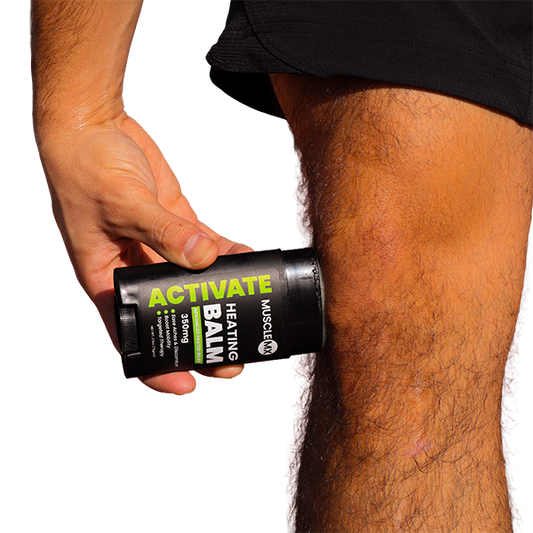
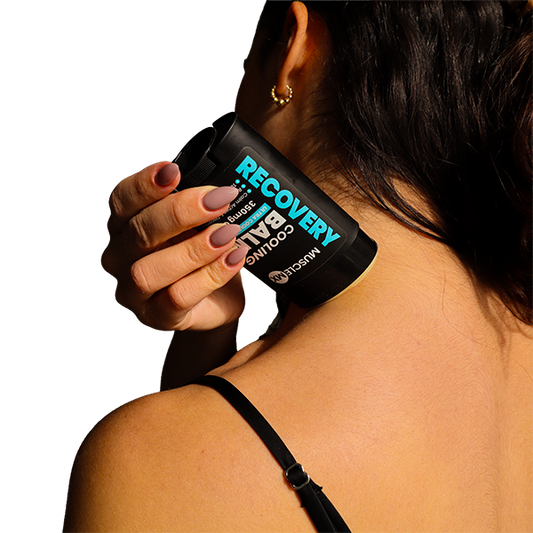
Would CBD Help with a Sports Hernia Injury When Applied Topically?
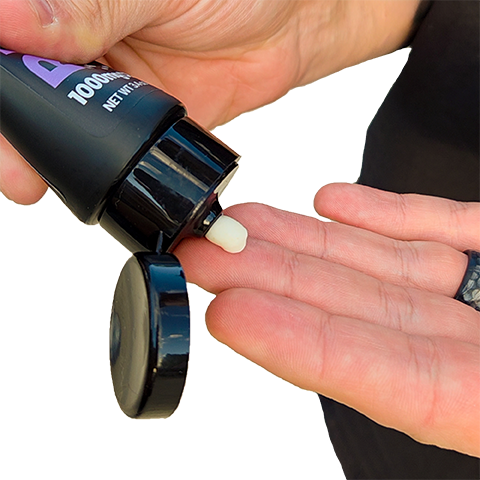
One thing that we know about CBD is that applying it topically can potentially promote relief through transdermal mechanisms. Cannabinoid receptors in the musculoskeletal system can receive more concentrated, localized doses of cannabidiol when applied directly to the affected area. This is why the CBD topical market has become so popular in recent years.
Interestingly, it seems that CBD is uniquely efficient when it comes to absorbing through the skin. Many who use CBD topicals for pain claim that the effects take place within minutes, and last for several hours at a time.
Final Thoughts
Sports hernia may take time to diagnose, but once identified, your path to recovery becomes clear. Remember, seeking medical attention early if groin pain persists beyond four to six weeks is important for your long-term athletic success.
Most athletes successfully return to their sport through either conservative treatment or surgical repair. Don't ignore persistent groin discomfort during athletic activity — your body is telling you something important.
The sooner you address symptoms with a qualified healthcare provider, the faster you'll get back to performing at your best. Knowledge is power, and understanding what's causing your discomfort is the first step toward finding a solution that works for you.
Your athletic journey is uniquely yours, and we're here to support you every step of the way back to peak performance.
FAQ's About Sports Hernia
Q: What's the difference between a sports hernia and a regular inguinal hernia?
A: A sports hernia is actually a soft tissue injury affecting muscles, tendons, or ligaments in the lower abdomen and groin area, with no visible bulge. An inguinal hernia involves a structural defect where abdominal contents push through the abdominal wall, creating a noticeable lump in the groin that becomes more prominent when coughing or straining.
Q: How long does it typically take to recover from a sports hernia?
A: Recovery time varies depending on treatment approach. With conservative treatment alone, mild cases resolve within 6-12 weeks, while more complex injuries may require 9-18 weeks. After surgical repair, athletes typically return to controlled movement within 4-6 weeks, begin sport-specific training at 8-10 weeks, and resume full competition around 10-12 weeks post-operation.
Q: Can a sports hernia heal without surgery?
A: Yes, many sports hernias can heal without surgery. Four to six weeks of physical therapy, combined with rest, ice application, and anti-inflammatory medications, resolves pain in many cases. Conservative management success rates range from 14% to 100% depending on injury severity. Surgery is typically only recommended when conservative treatment fails after two to six months.
Q: What are the main symptoms that indicate I might have a sports hernia?
A: The primary symptom is sharp groin or lower abdominal pain during twisting, turning, or explosive movements that improves with rest but returns immediately when resuming activity. You may also experience burning or dull pain that radiates to the scrotum, genitals, or inner thigh, with increased discomfort during sprinting, kicking, sit-ups, coughing, or sneezing. Unlike a regular hernia, there's no visible bulge.
Q: Which athletes are most likely to develop a sports hernia?
A: Males account for over 90% of cases, with athletes aged 26-28 at highest risk. Sports requiring repetitive, forceful twisting of the pelvis while feet are planted—such as ice hockey, soccer, football, wrestling, rugby, tennis, skiing, and hurdling—create the greatest risk. Professional and elite-level athletes face significantly higher risk than recreational athletes.
References
https://orthoinfo.aaos.org/en/diseases--conditions/sports-hernia-athletic-pubalgia/
https://my.clevelandclinic.org/health/diseases/21873-sports-hernia
https://www.hopkinsmedicine.org/health/conditions-and-diseases/hernias/sports-hernia
https://arka.health/sports-hernia-vs-true-inguinal-hernia-athletic-pubalgia/?srsltid=AfmBOooQAW1KSXagjixRPjWxgbvW3XbZeyhpkSisTGGYiD-H7D5tYSGI
https://www.sports-health.com/sports-injuries/groin-injuries/sports-hernia-causes-and-risk-factors
https://ufirsthealth.com/how-to-tell-when-you-have-a-sports-hernia/
https://www.trihealth.com/services/trihealth-surgical-care/key-services/hernia-center/other-abdominal-core-injuries/sports-hernia
https://www.andrewssportsmedicine.com/media/sports-hernia-what-athletes-need-to-know
https://sportsmedicine.mayoclinic.org/news/mayo-clinic-q-and-a-could-groin-pain-be-a-sports-hernia/